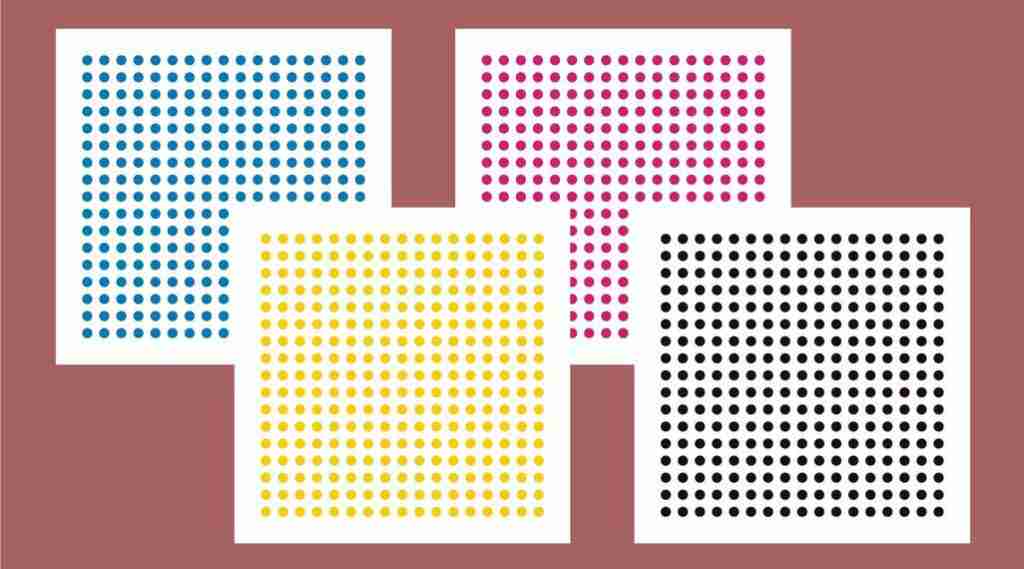
The Concept of Halftone Dots in Printing
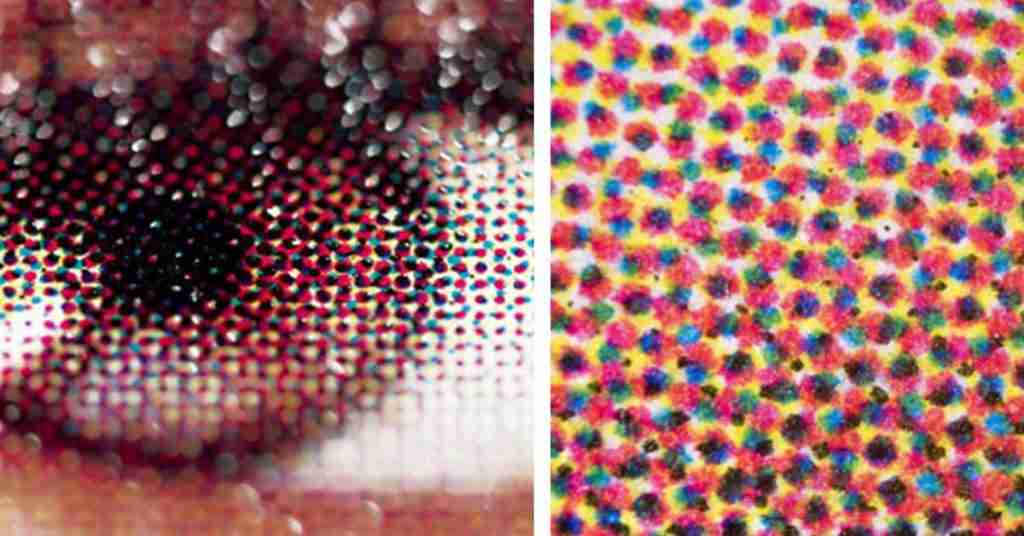
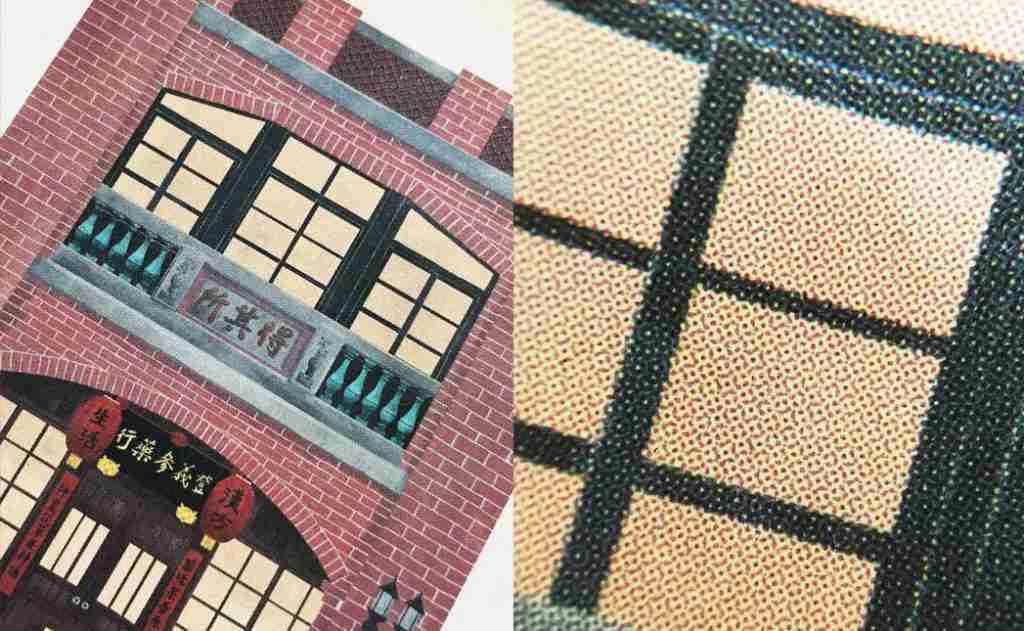
Halftone dots are the smallest units in offset printing. All images are composed of tiny dots that are imperceptible to the naked eye. A loupe or magnifying glass is required to see these dots on a printed piece. The size and density of the dots determine the representation of color, contours, and tonal gradations.
Types of Halftone Dots
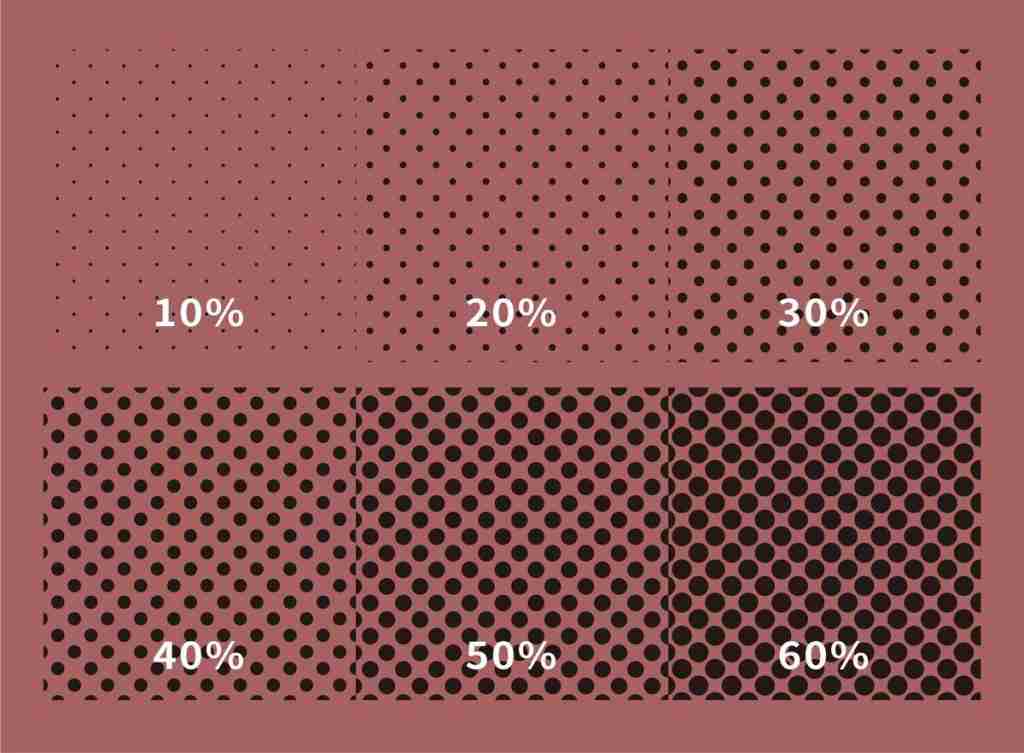
1. AM Halftone Dots (Amplitude Modulation Screens)
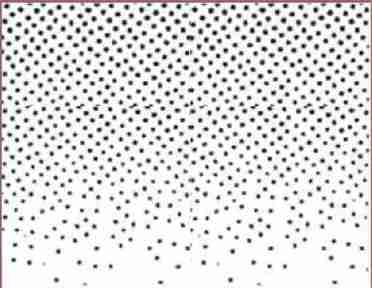
Also known as “amplitude-modulated dots,” these are characterized by dots of varying sizes arranged in a uniform pattern. AM dots adapt well to different paper types, and the variation in dot size conveys brightness and darkness. This is the most traditional and widely used dot pattern.
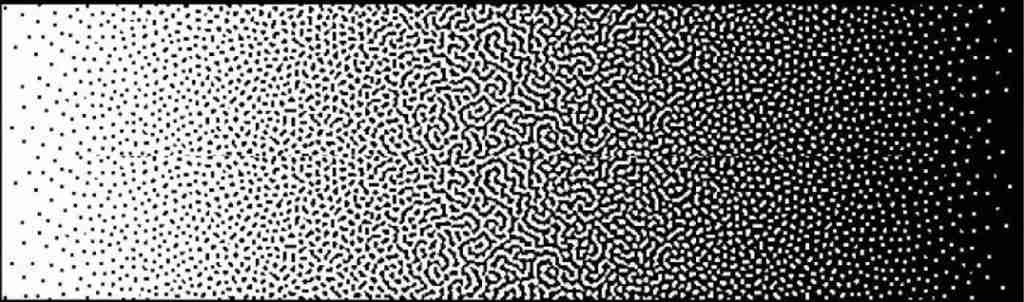
2.FM Halftone Dots (Frequency Modulated Screens)
Also known as “frequency-modulated dots,” these are characterized by random distribution and irregular dot sizes. FM technology is relatively new and reduces the risk of moiré patterns. However, FM dots can be prone to printing issues if:
- The paper absorbs ink excessively or expands.
- Midtone dot density is too high, causing dot gain.
- Highlight or shadow dots disappear.
To take advantage of FM dots, high-resolution design files, professional photography, premium paper with high density, and a compatible printing and plate-making process are required.
3.Hybrid Halftone Dots (Hybrid Screens)
This is the latest technology, combining the features of AM and FM dots. In hybrid dots, 10% highlight areas and 90% shadow areas use FM dots, while midtones are printed with AM dots.
Halftone Dots in Different Printing Methods
1.Halftone Dots in Offset Printing
Offset printing uses the four primary colors of CMYK (cyan, magenta, yellow, and black). During plate-making, software analyzes the proportions of the four colors in the image and creates four separate plates, each corresponding to one ink color. The printing press then layers these colors onto the paper to reconstruct the original image.
Dot Angles:
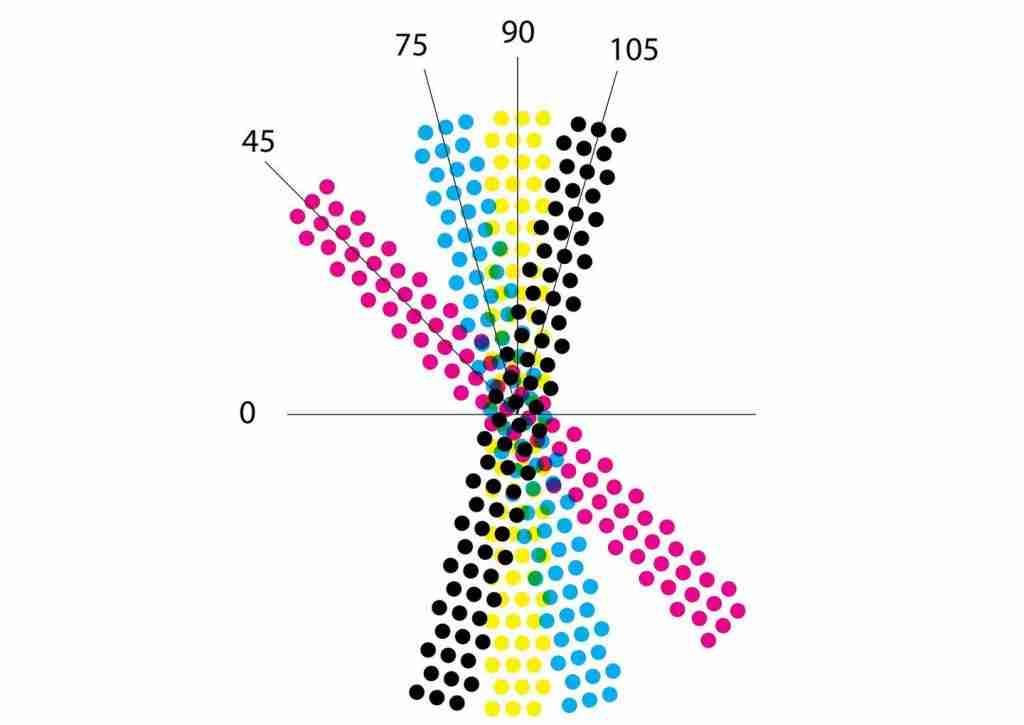
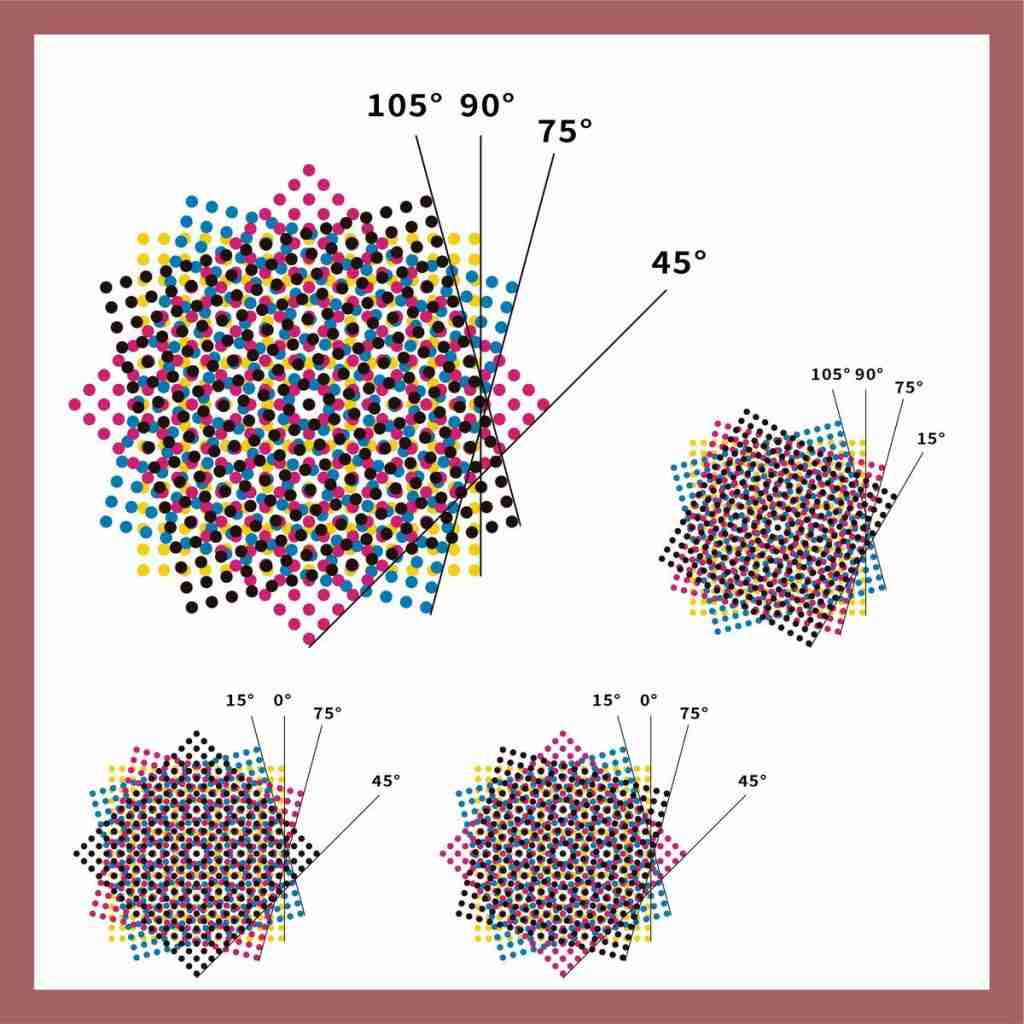
Since halftone dots for the four colors are overlaid on the paper, the dot angles for the four plates must differ. This ensures even color distribution and avoids overlapping that would result in black areas.
Typical angles: Cyan (C): 75º—Magenta (M): 45º—Yellow (Y): 90º—Black (K): 105º
2.Halftone Dots in Letterpress and Screen Printing
In these methods, higher dot density indicates deeper color tones. Colors are adjusted using tonal gradations, and overlapping colors can produce additional hues. Unlike offset printing, which mixes CMYK dots, the colors in letterpress and screen printing are usually pure and singular.
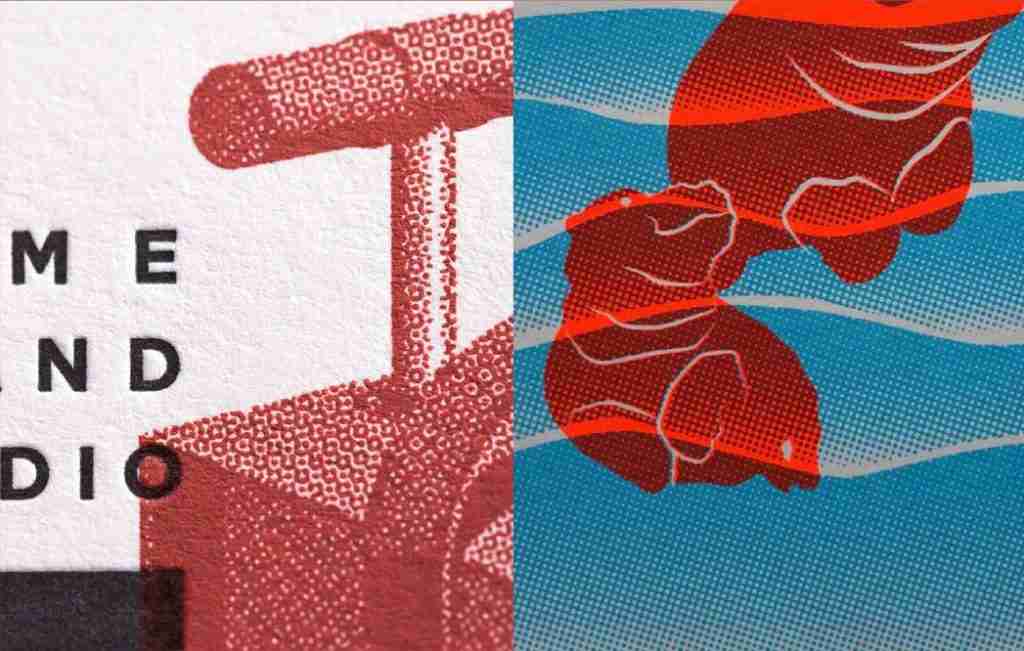
Each color requires a separate plate, and higher dot concentration results in darker colors.