
The Critical Role of Electronics Packaging: Beyond a Simple Box
In today’s competitive market, electronics packaging is far more than just a container—it’s a strategic asset. A recent survey reveals that 72% of consumers consider packaging design a decisive factor in their purchasing decisions for electronics. For brands, neglecting this crucial element risks losing sales, damaging customer loyalty, and missing opportunities to amplify brand visibility. Let’s explore why electronics packaging matters and how it drives business success.
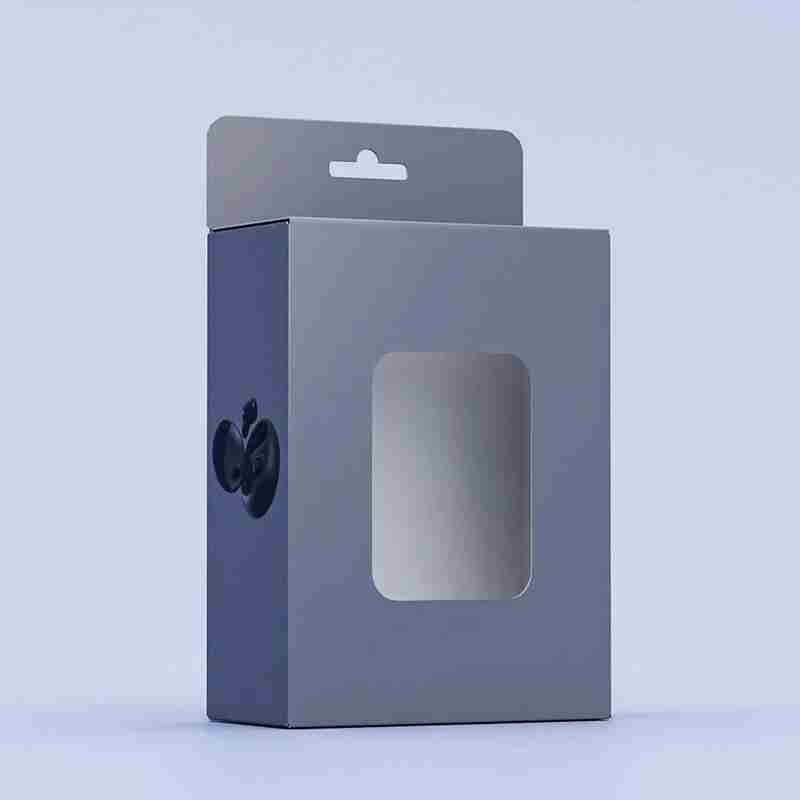
1. First Line of Defense: Product Protection
Packaging serves as the primary guardian of electronics during transit. A damaged product upon arrival doesn’t just lead to returns—it erodes trust in your brand. Modern packaging solutions combine durability with intelligent design, using materials like shock-absorbent foam, reinforced corrugated layers, and anti-static coatings to ensure products arrive in pristine condition. However, protection isn’t limited to physical safety. Tamper-evident seals and moisture-resistant barriers also reassure customers of product authenticity and quality.
2. Silent Salesperson: Driving Purchase Decisions
Packaging acts as a 24/7 brand ambassador on retail shelves and doorsteps. Strategic design elements—such as bold color contrasts, minimalist layouts for premium products, or vibrant graphics for youth-oriented gadgets—instantly communicate value propositions. Including key information like compatibility details, quick-start guides, or QR codes linking to tutorials bridges the gap between purchase and usage, reducing post-purchase anxiety.
3. Brand Identity Amplifier
Sophisticated packaging transforms generic products into memorable brand experiences:
Visual Coding: Use color gradients to differentiate product tiers. (e.g., gold accents for premium models, matte finishes for pro editions)
Tactile Branding: Embossed logos, textured surfaces, or magnetic closure systems create multisensory engagement.
Storytelling Space: Dedicated panels explaining eco-friendly materials or brand heritage foster emotional connections.
Consistency across packaging elements (typography, iconography, structural design) boosts brand recognition by up to 80%, according to packaging industry studies.

4. The Unboxing Revolution: Creating Shareable Moments
Modern consumers don’t just open packages—they document and share the experience. A Cisco study shows unboxing videos generate over 1.5 billion monthly views, making packaging a viral marketing tool. Brands are now engineering “Instagrammable” unboxing journeys through:
Layered reveals (outer sleeve → inner tray → accessory compartments)
Surprise elements (personalized welcome notes, limited-edition artwork)
Functional keepsakes (reusable storage boxes, DIY cable organizers)
5. Sustainability: The New Competitive Edge
With 68% of global consumers willing to pay more for eco-friendly packaging (Nielsen), sustainable design is non-negotiable:
Material Innovation: Mushroom-based cushioning, ocean-bound plastics, plantable seed paper inserts
Circular Design: Modular packaging that converts into phone stands or VR headset displays
Smart Sizing: AI-optimized packaging reduces filler material by up to 40% while maintaining protection
6. Logistics Optimization
Advanced packaging solutions address operational challenges:
RFID tags for real-time inventory tracking
Nesting designs that maximize shipping container space
Climate-control indicators for sensitive components
Strategic Partnership Advantages
Collaborating with specialized packaging manufacturers unlocks:
Digital printing for rapid prototyping
Industry expertise-driven design guidance
Cost-effective solutions with guaranteed quality