
Glossing Techniques and Water-Based Varnish
Glossing involves applying (or spraying/printing) a layer of colorless transparent coating on the surface of printed materials to protect and enhance their gloss. After leveling, drying, calendaring, and curing, the printed surface forms a thin, even, and transparent glossy layer. This improves surface smoothness and protects printed graphics and text.
Glossing techniques can be divided into several types, including coating glossing, pressure glossing, UV glossing, and pearlescent pigment glossing.
1. Glossing Techniques
The commonly used glossing methods are UV glossing and solvent-based glossing, while water-based varnish is less frequently applied. There are two main types of varnishes: solvent-based and water-based.
Solvent-Based Varnish:
Made primarily with resins like polyurethane, SBS (styrene-butadiene-styrene block copolymer), EVA (ethylene-vinyl acetate copolymer), or acrylics, combined with solvents such as toluene, ethyl acetate, and gasoline. It also includes tackifying resins, plasticizers, and antioxidants. Due to the flammability, toxicity, and environmental concerns caused by volatile organic solvents, this type of varnish is gradually being phased out.UV Glossing:
Known for its fast drying speed, UV glossing utilizes high-molecular-weight materials that are insoluble in water. These materials are evenly dispersed in water with emulsifiers to create water-based varnish. This overcomes the issues of flammability, toxicity, high energy consumption, and pollution associated with solvent-based varnish.
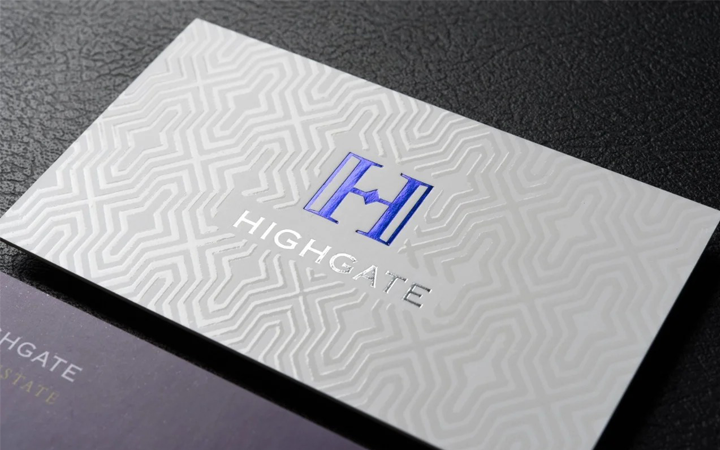
2. Water-Based Varnish
Traditional Water-Based Varnish:
Composed mainly of polymers dissolved or suspended in water, with a water content of 50%-70%. The high water content leads to slow drying and poor leveling, resulting in suboptimal glossing effects.New-Generation Water-Based Varnish:
By adding additives (mainly surfactants) to traditional formulations, a new type of water-based varnish is developed. It replaces 80% of the water with ethylene glycol or propylene glycol, resulting in a milky-white appearance. By adjusting the solid content, different finishes such as high gloss, standard gloss, and matte can be achieved.This varnish meets safety and environmental standards, making it widely used in packaging for food, medicine, and other products. Moreover, printed materials using water-based varnish can undergo biodegradable recycling.
Catalyzed Water-Based Varnish:
Typically used on web-fed printing machines with heating devices. These varnishes are thermosetting, meaning they won’t remelt under heat, and require inline calendering for glossing.However, catalyzed water-based varnishes often contain free formaldehyde, a carcinogenic substance harmful to human health. Consequently, their use is limited to prints with lower safety and environmental requirements.
3. Composition and Application of Water-Based Varnish
Main Agent:
The main agent in water-based varnish is the film-forming resin, typically synthetic resin. It affects the quality of the gloss layer, such as glossiness, adhesion, and drying speed.Acrylic-based copolymer resins are widely used due to their excellent film-forming ability, gloss, transparency, fast drying speed, abrasion resistance, and water resistance.
Additives:
Additives improve the physical and chemical properties and processing characteristics of the varnish. Common additives include curing agents, surfactants, defoamers, driers, tackifiers, and wetting dispersants.The total amount of additives should not exceed 5%, as excessive use can adversely affect the varnish’s processing performance.
Solvent:
Solvents are primarily used to dissolve or disperse synthetic resins and various additives.While water is the main solvent in water-based varnish, its slow drying speed can lead to product size instability. Adding ethanol can enhance drying performance and improve processing adaptability.
Key Considerations for Using Water-Based Varnish:
- During application, control the varnish’s viscosity and solid content within the appropriate range.
- Choose paper types wisely: thick paper offers better dimensional stability than thin paper.
- Ensure precise control of the coating amount, as this can be challenging with water-based varnish.
- Minimize or eliminate the use of anti-blocking agents.
- Manage drying time effectively by leveraging the penetration drying property of water-based varnish. Adding ethanol can further improve drying speed, but this must be balanced with the varnish’s viscosity.
Conclusion
Glossing has a long history and remains an essential post-printing process. With advancements in glossing technologies, the process is evolving toward pollution-free and diversified applications.