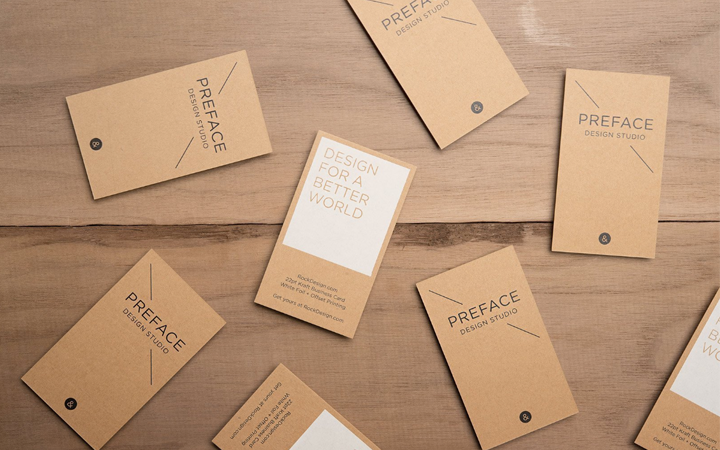
Kraft Paper Printing and Post-Processing
Kraft paper is an eco-friendly printing card stock with an attractive brown appearance. It is unbleached, retaining the natural color of wood. The bleaching process of paper can cause environmental damage, making kraft paper the preferred choice for industries that prioritize environmental protection.
1. What should be noted when printing on kraft paper?
Unlike white paper, kraft paper does not undergo multiple bleaching processes, so it retains its brown color. Printing colors on a brown background can be challenging. If the design colors are too light, they may be affected by the base color of the kraft paper and appear darker, especially yellow. Yellow and brown are similar in tone, making the printed result less ideal.
Black, dark blue, and dark brown are more suitable color choices, as their naturally deep hues and high ink concentration allow them to cover the original color of kraft paper effectively.
2. Can kraft paper be used for color printing?
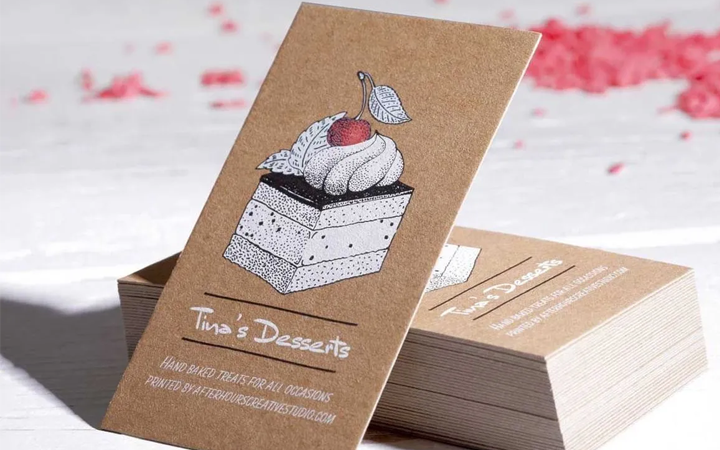
If color printing on kraft paper is necessary, a layer of white ink can be printed first before applying colors. The white ink can lighten specific areas of the kraft paper, making them resemble white paper and improving the color printing effect.
3. What finishing techniques are suitable for kraft paper?
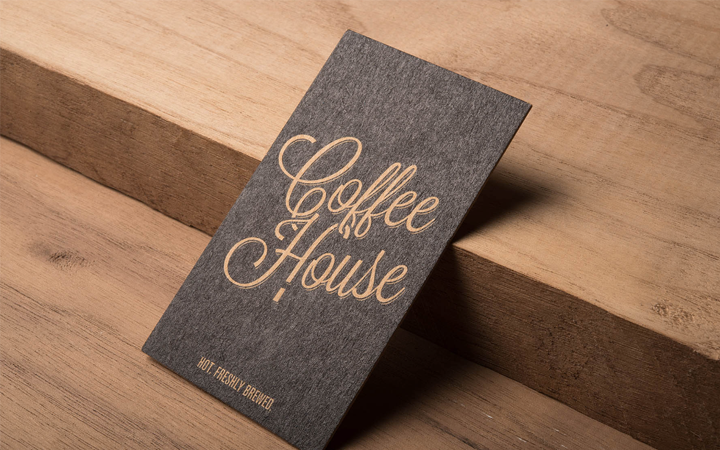
Almost all premium card finishing techniques can be applied to kraft paper, including hot stamping, embossing, debossing, and gilded edges. However, hot stamping in gold may be less prominent because gold is similar in color to kraft paper. For a more noticeable contrast, silver stamping can be used, as the silver-white effect stands out against the brown kraft paper.
Additionally, blind embossing is highly suitable for kraft paper. Due to the darker color of kraft paper, the embossed effect appears more three-dimensional compared to white card stock and does not require a specific viewing angle to be noticeable.