
6 Common Printing Varnishing Techniques
Printing varnishing is a post-printing process that involves applying a transparent coating to the surface of printed materials, either fully or partially. Once dried, the varnish enhances gloss, decorates the print, and provides protection. Here are six common printing varnishing techniques:
1. Varnish Coating
- Features: Made by blending specialized resin with turpentine oil, this varnish is applied over printed materials using a printing press.
- Advantages: The most cost-effective varnishing method, suitable for large-scale production.
- Disadvantages: Low gloss and poor wear resistance.
- Applications: Ideal for inner color pages or materials with minimal gloss requirements.
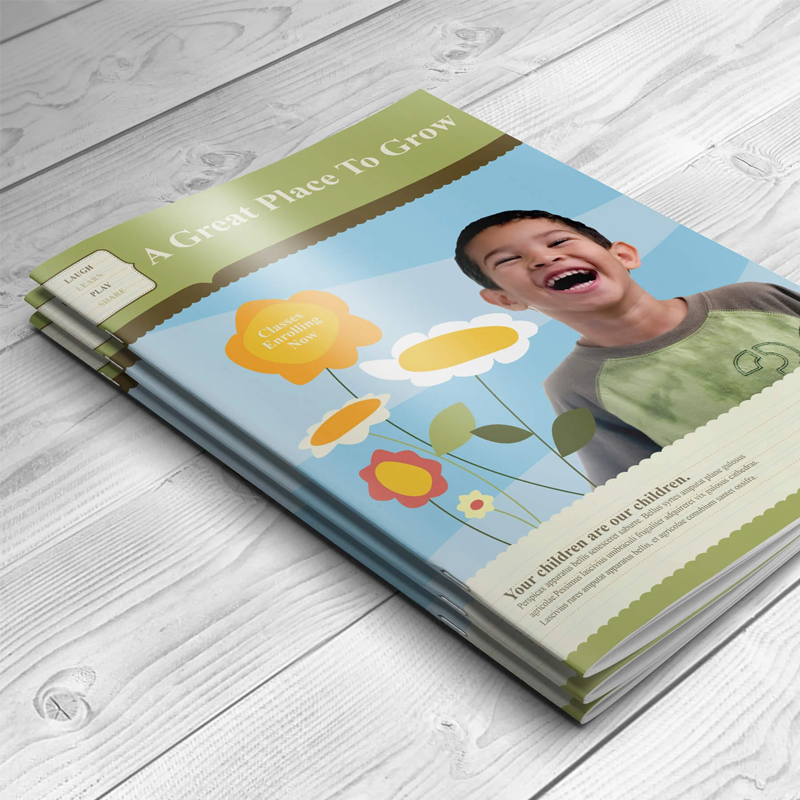
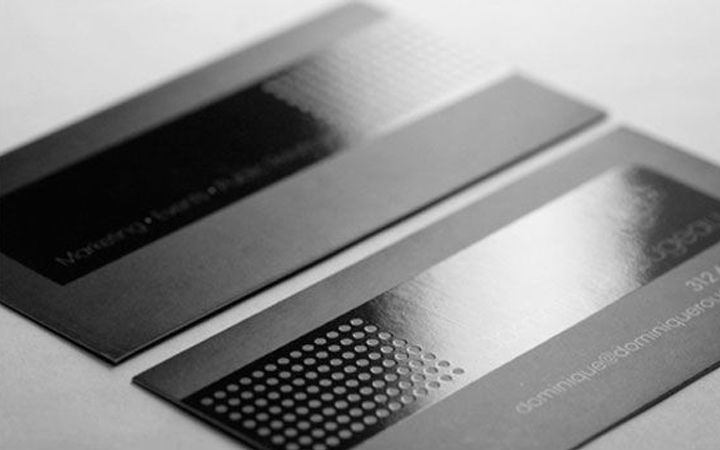
2. UV Varnishing / Spot UV Varnishing
- Features: UV-specialized coating is evenly applied to the surface and dried instantly under ultraviolet light.
- Advantages: High gloss, excellent wear resistance, UV protection, and prevents ink fading.
- Applications: Widely used for premium promotional materials and packaging requiring high gloss and durability.
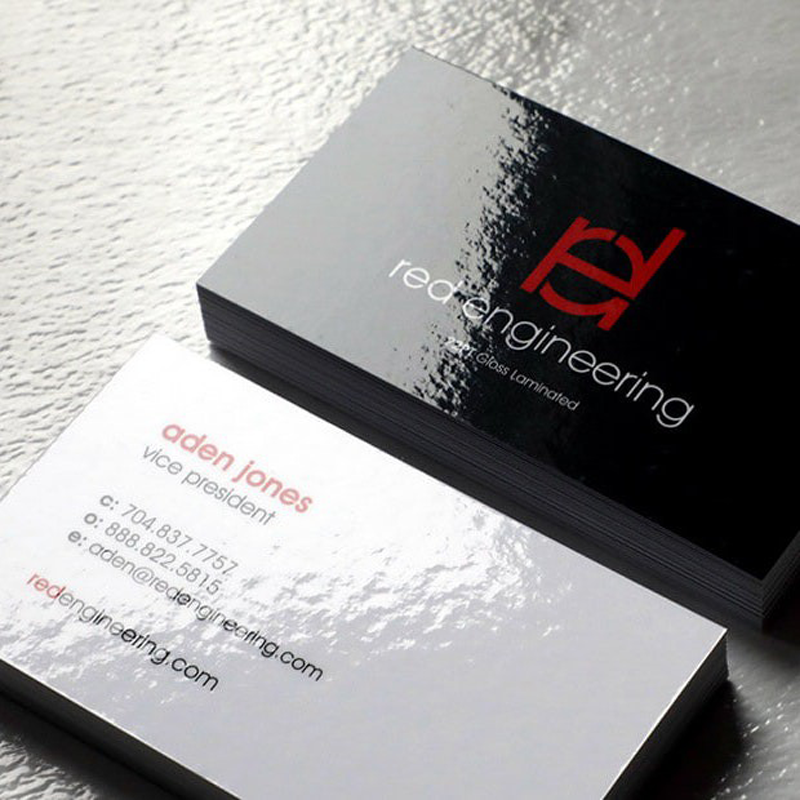
3. Glossy PP Lamination
- Features: Uses a glossy polypropylene (PP) film applied to the print via heat pressing.
- Advantages: Offers moisture resistance, stain protection, wear resistance, and a glass-like glossy finish.
- Applications: Suitable for fine printing materials and windowed packaging boxes.
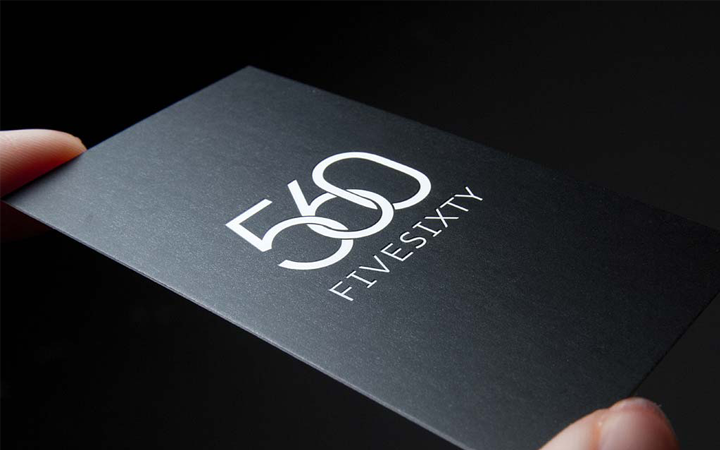
4. Matte PP Lamination
- Features: Utilizes a matte-textured PP film, applied through heat pressing.
- Advantages: Retains the protective properties of glossy PP lamination but provides a soft, non-reflective, matte finish with a unique tactile experience.
- Disadvantages: Higher cost.
- Applications: Commonly used for high-end book covers and luxury packaging.
5. PVC Board Varnishing
- Features: Employs a rigid PVC film (approximately 0.1mm thick) as the lamination material, often applied on both sides.
- Advantages: High surface hardness, water resistance, durability, and mirror-like gloss.
- Disadvantages: The most expensive varnishing method.
- Applications: Suitable for items like desk pads, ID cards, table mats, tags, playing cards, and game cards.
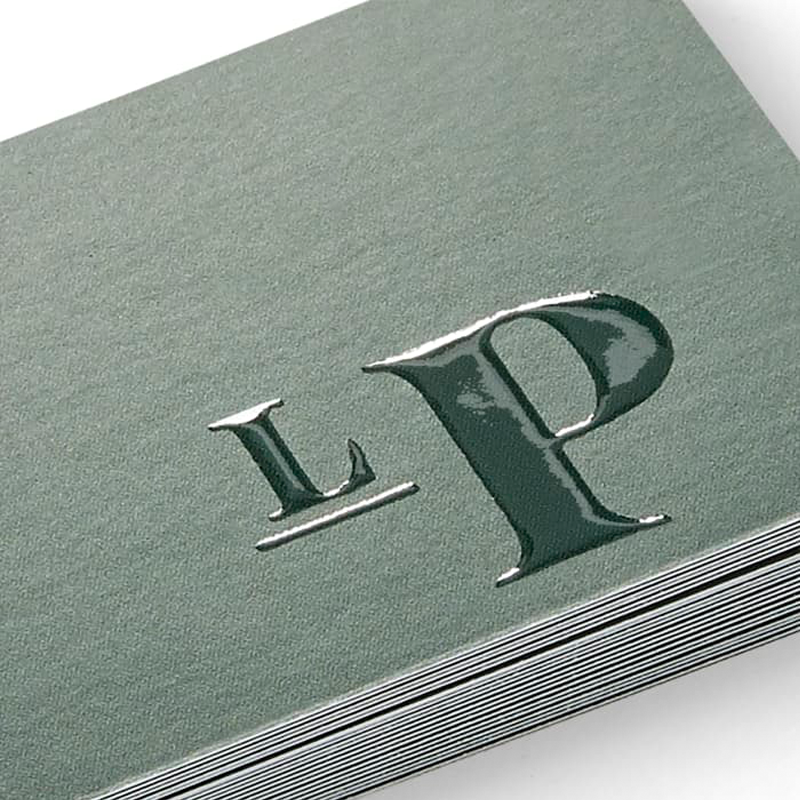
6. Spot 3D Varnishing
- Features: Uses specialized resin to apply varnish in specific areas of the print. After drying, it creates a three-dimensional look and feel.
- Combination Process: Often combined with matte PP lamination, applying spot 3D varnishing over a matte surface for enhanced visual and tactile effects.
- Applications: Ideal for high-end brochures, greeting cards, and invitations that emphasize design details.
Each varnishing technique has unique features and benefits, allowing for tailored choices based on the purpose, design, and budget of the printed material.