
Color Modes: CMYK, RGB, and Spot Colors
1. What is RGB?
RGB is a color model based on a black medium. It uses varying brightness levels of the three primary light colors—red, green, and blue—to create different colors.
In simple terms, RGB mode is used for outputs displayed on electronic screens.

2. What is CMY?
CMY is a color model based on a white medium. It uses the three primary printing colors—cyan, magenta, and yellow—in varying proportions to absorb specific wavelengths of light and create different reflected colors.
In simple terms, if the output is not on an electronic screen, CMYK mode should be used.
Difference Between CMY and CMYK
While CMY can theoretically produce K (black), black ink is heavily utilized in printing for efficiency and precision. Mixing black from CMY inks wastes ink and often results in alignment issues, especially with small text and intricate designs. Therefore, black (K) was added to CMY, forming the CMYK model.
Quick Question:
What mode should be used for subway advertisements?
RGB or CMYK
(Answer at the end)

3. What is a Spot Color?
Spot colors are created using a specific ink rather than mixing the four standard CMYK inks.
A spot color is a custom color designed for a specific print job. It can represent any color in the spectrum, including CMYK combinations. Commonly used spot colors include red, orange, yellow, green, cyan, blue, purple, and even white.
Given the vast range of possible colors, how can one ensure the desired shade is accurately reproduced? This is where color standardization systems like Pantone come in.
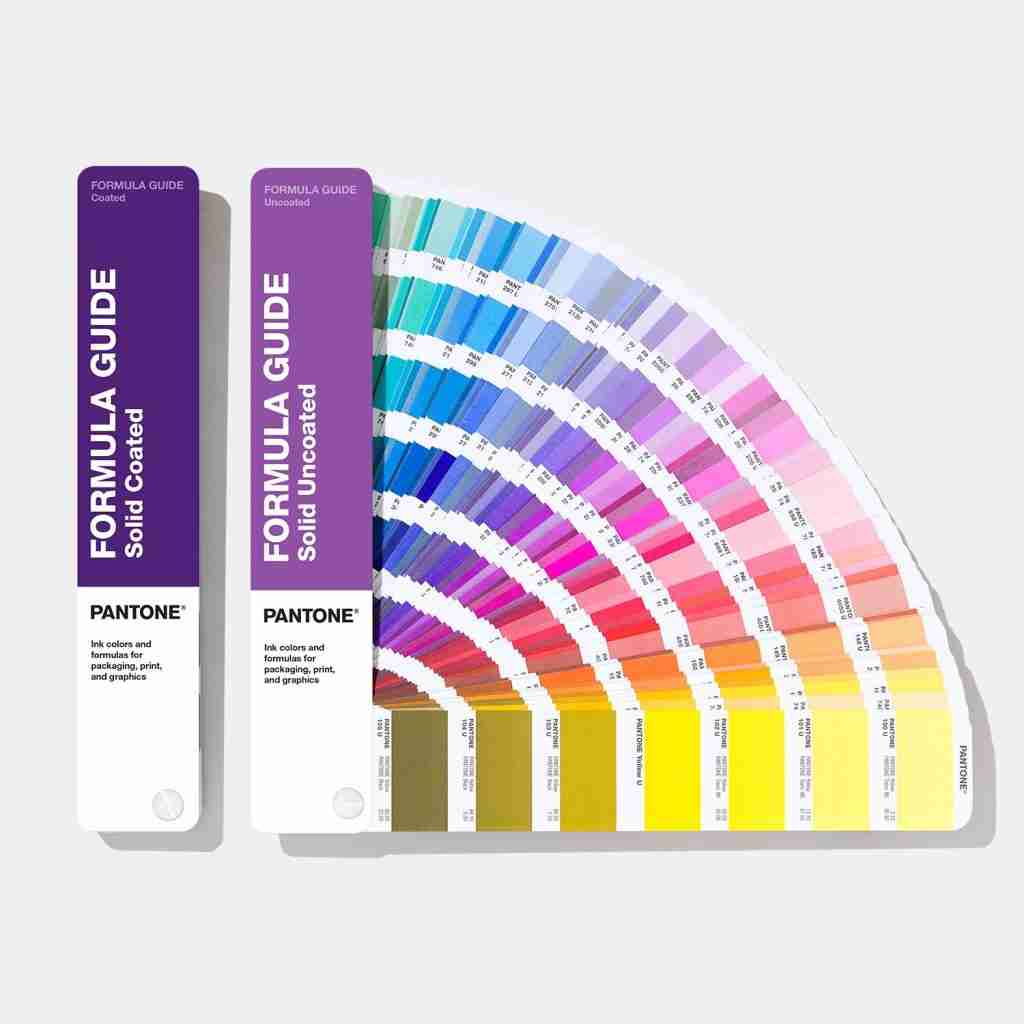
4. Pantone
The Pantone Matching System (PMS) is a globally recognized color standard used in the printing, publishing, packaging, and design industries to ensure color consistency. By specifying a Pantone color code, designers can guarantee accurate color reproduction in printing.
Pantone catalogs a wide range of colors and assigns them unique codes, which designers use to select the exact shade needed. Today, Pantone colors have become synonymous with spot colors.
Important Note: The colors and values displayed on screens are computer-simulated and may vary across devices. For production, always refer to the latest physical Pantone color guide for accurate color matching.
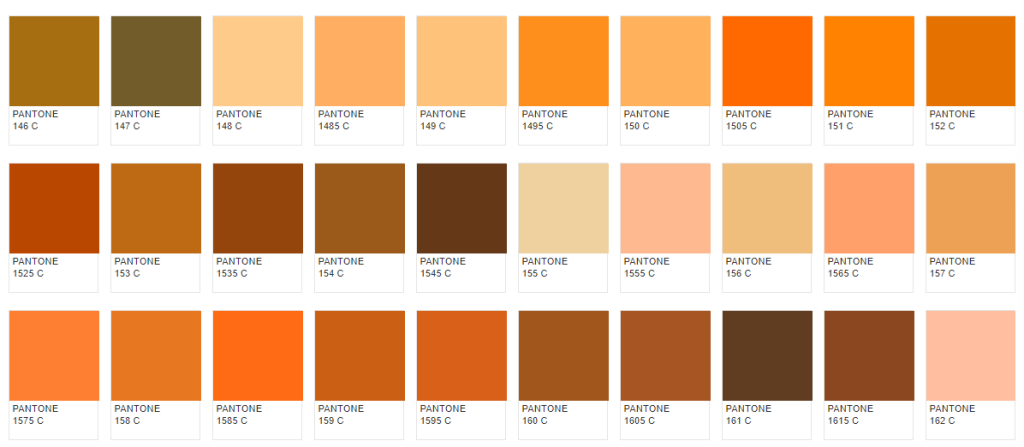
Why Can’t Printers Reproduce All Colors?
Number of Colors
- RGB: Each value ranges from 0–255, allowing for 256 levels per channel. With three channels (R, G, and B), this results in a total of 256³=16,777,216 colors on electronic screens.
- CMYK: Each value ranges from 0–100, with 101 levels per channel. With three colors (C, M, Y) plus black (K), CMYK can theoretically produce 101³+101=1,030,402 colors.
The difference is approximately 16 times—RGB supports significantly more colors than CMYK.
Cost of Colors
Printing specific colors with spot color inks is possible but more expensive than CMYK. Choosing spot colors depends on the desired color and budget.
Answer to the Quick Question:
Subway advertisements use CMYK mode, as they are printed, not displayed on electronic screens. Did you get it right?