
Post-Press Processing – Die-Cutting Technology
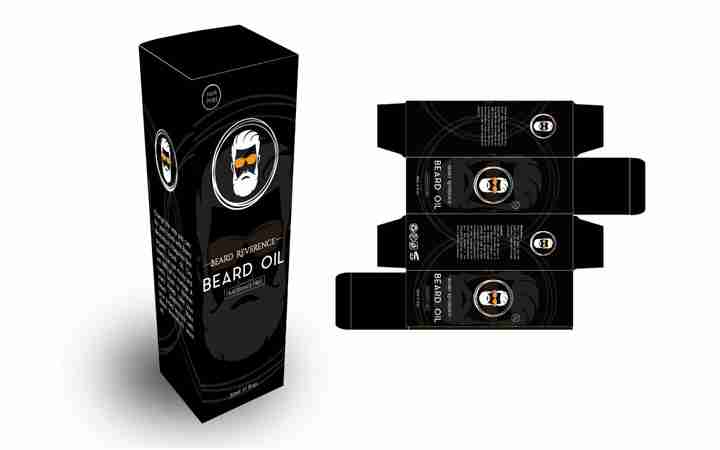
Die-Cutting Technology is a key post-press processing technique in the printing and packaging industry. It is primarily used to cut printed materials into specific shapes or structures, enhancing both the aesthetic appeal and functionality of the packaging.
Definition and Purpose of Die-Cutting
Die-cutting uses specialized tools to cut, crease, or punch materials such as paper, plastic, or leather into desired shapes and patterns. Its main applications include:
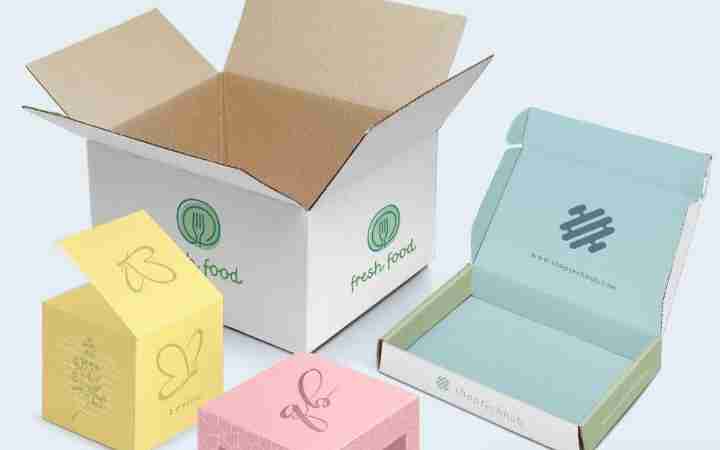
- Various packaging boxes (e.g., cosmetics, pharmaceuticals, and food packaging).
- Gift boxes, shopping bags, cartons, and other packaging products.
- Custom-shaped paper products or thin materials.
This technique allows packaging products to achieve not only visual refinement but also functional improvements, such as ease of assembly or transport.
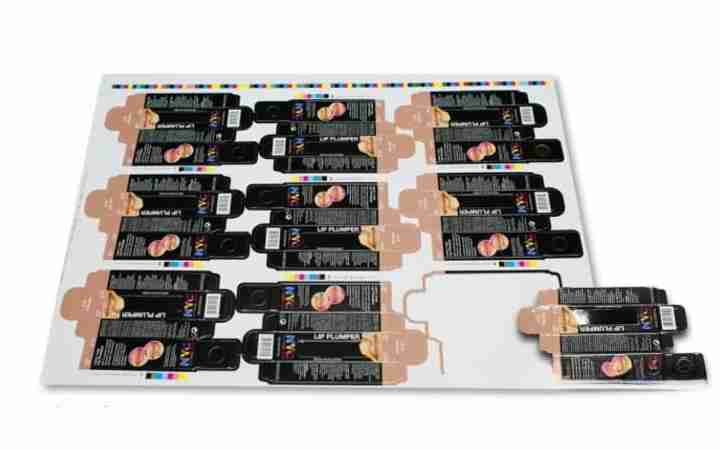
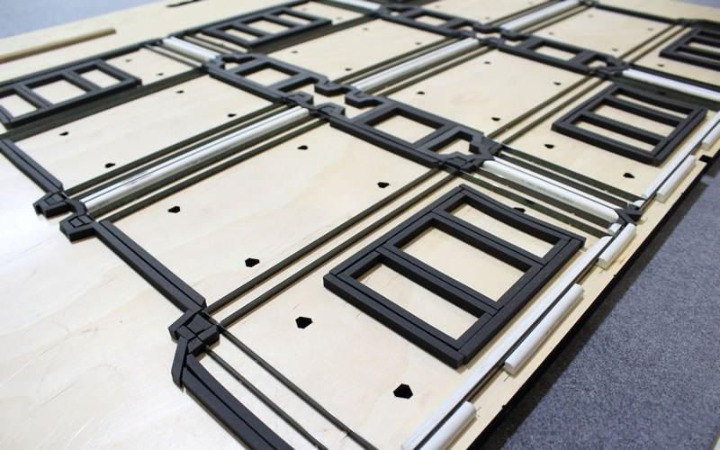
Die Plate Production: Die plates are created based on design patterns, allowing for cuts in straight, curved, or complex shapes.
Die-Cutting Process: Pressure is applied using a die-cutting machine, cutting the material into the desired shape while optionally adding creases for folding.
Creasing Process
Creasing is a critical step in the die-cutting process, with the following purposes:
- Creating Fold Lines: Pressing lines into the material to enable precise folding.
- Fold Accuracy: Ensuring the folded product is accurate and visually appealing.
Typically, die-cutting and creasing are completed on the same template, collectively known as the die-press process.
Advantages and Disadvantages of Die-Cutting
Advantages:
Wide Applicability: Suitable for various materials (paper, plastic, thin metals, etc.).
High Efficiency: Ideal for mass production, reducing costs.
Versatile Design: Capable of cutting complex shapes, enhancing product aesthetics.
Disadvantages:
Shape Limitations: Difficult to produce extremely small circles or intricate patterns.
Material Restrictions: Challenging for very hard or thick materials.
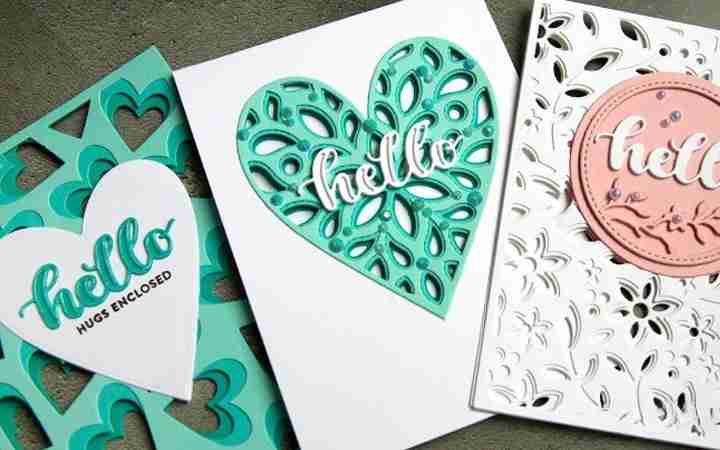
Comparison Between Laser Cutting and Die-Cutting
Laser cutting is a modern cutting technique that differs from traditional die-cutting in the following ways:
- Precision: Laser cutting achieves high precision and is not limited by shape or size.
- Flexibility: No die plate is required, saving setup time, and it is ideal for small-batch or customized production.
- Cost: While suitable for complex designs, laser cutting involves higher equipment costs.
Laser cutting is better suited for scenarios that demand high precision and flexibility, such as personalized packaging and short-cycle orders.
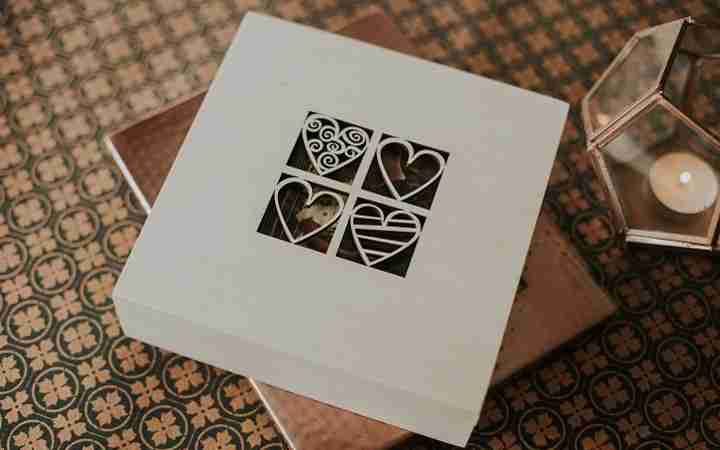
Through die-cutting and related processes, products achieve structural customization while enhancing the overall visual appeal and functionality of their packaging.