
Common Post-Printing Techniques (Part 2)
Printed materials often require meticulous post-processing to enhance their quality and appeal. Techniques like spot UV coating, reverse varnishing, and laser embossing ensure the quality and elevate the aesthetics of printed products.
Post-printing techniques collectively refer to the processing methods applied to printed materials after printing to meet functional requirements and improve visual quality.
6. Spot UV Coating
A screen-printing process that applies UV varnish to specific areas of a paper box’s surface, enhancing the brilliance and visual impact of the printed design.
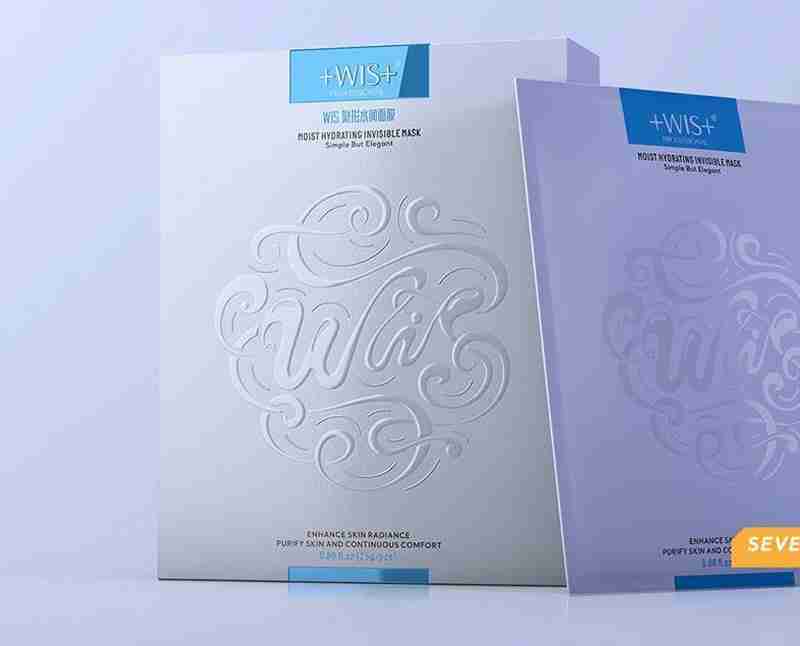
Features: Creates various artistic effects on the surface of printed materials, making them more refined and attractive.
Types: Thick UV, Matte UV, Rainbow UV, Glass Bead UV, Glitter UV Powder, and more.
Applications: Packaging boxes, book covers, dust jackets, covers, calendars, shopping bags.
7. Reverse Varnishing
This process leverages the “repelling” principle between coating-type UV varnish and base-printed UV varnish (ink well-type UV varnish) to achieve textured effects and varying gloss levels in one step. Glossy effects are created where no base varnish is applied, and matte effects are achieved where base varnish is present.
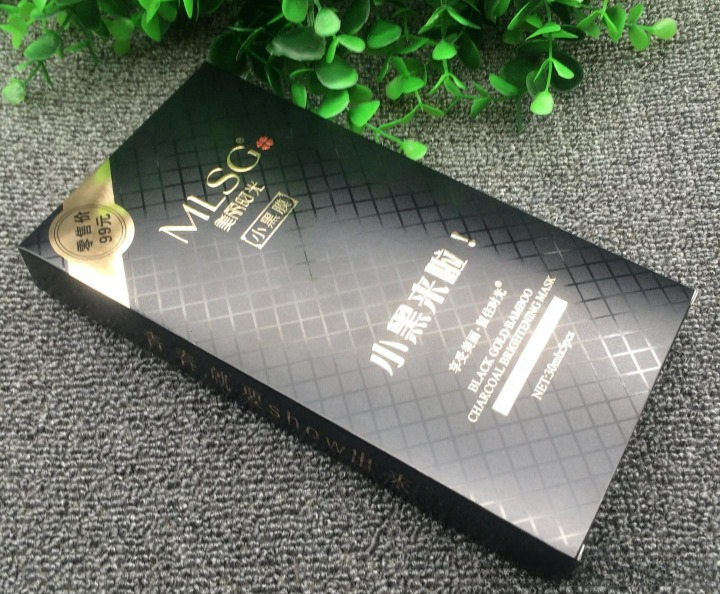
Types: Produces localized high-gloss and matte low-gloss areas on the surface of the printed material.
Features: The combination of glossy and matte effects creates a striking contrast, accentuating the brilliance of specific glossy designs.
8. Integrated Foil Stamping
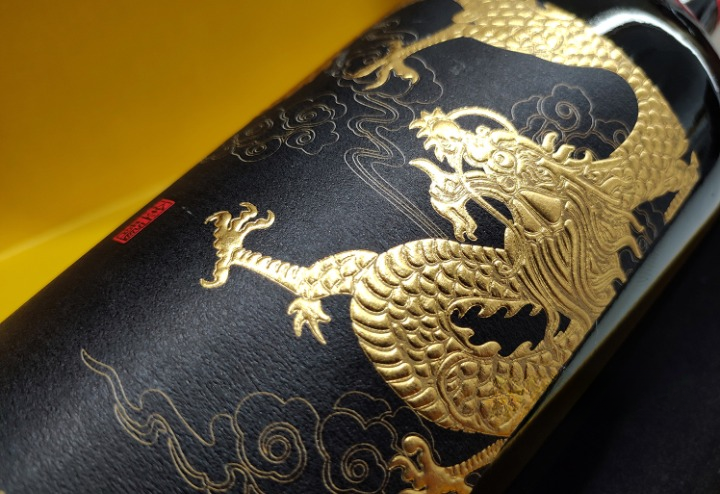
A foil stamping technique that offers a stronger metallic and three-dimensional effect. By incorporating embossed patterns, the design achieves a metallic embossed texture, making the stamped elements stand out with an impactful visual appeal.
9. Laser Embossing Transfer
This process involves applying UV varnish to the printed material’s surface, passing it through an embossing system, and combining it with a laser transfer film. After instant curing under UV light, the transfer film is separated, leaving the laser pattern transferred onto the printed material.
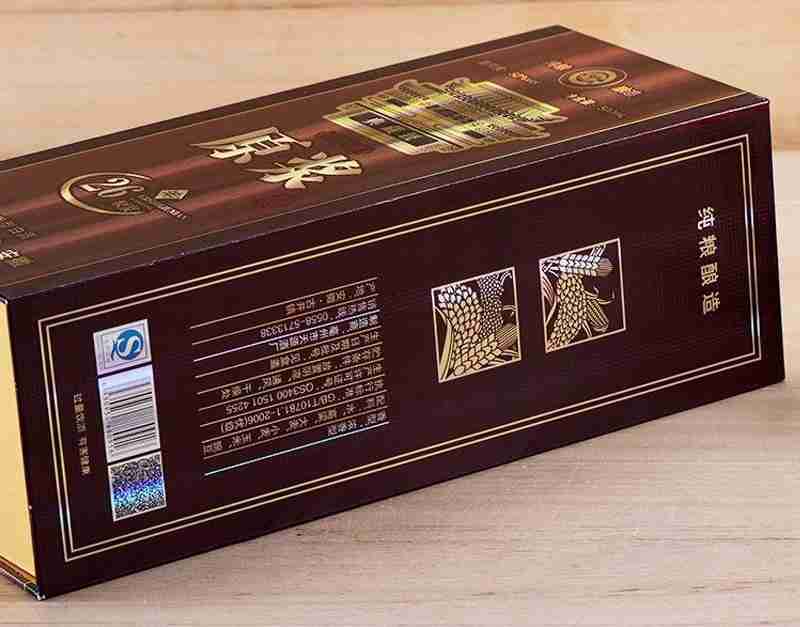
Features: Adds dazzling visual effects, elevates the packaging’s quality, and is environmentally friendly. The process uses biodegradable, recyclable, and easy-to-handle materials, making it a premium, anti-counterfeit, and sustainable printing option.
Applications: Packaging for cosmetics, liquor boxes, pharmaceuticals, gift boxes, and tobacco products.
10. Frosted Snowflake Effect
This silk-screen printing process applies ink to materials such as gold card, silver card, holographic card, or PVC. After exposure to UV light and curing, the surface develops a fine, sandy texture with a delicate hand feel.
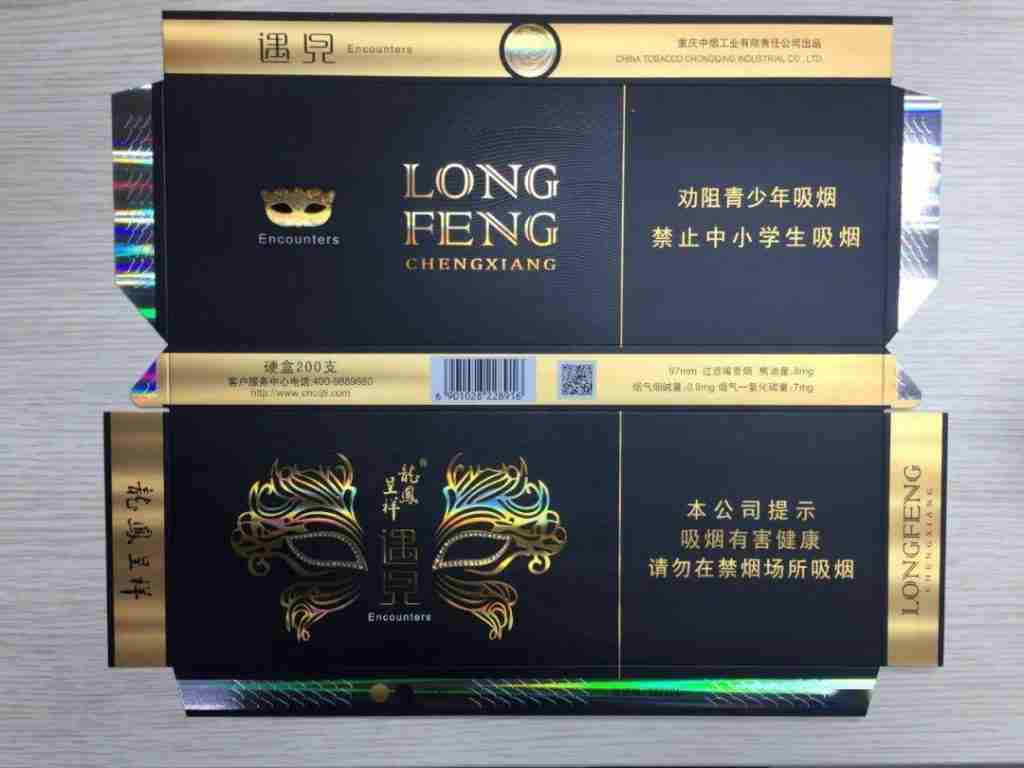
Features: The printed surface exhibits uniform fine “wrinkles” or floral patterns with a matte finish. The ink layer is smooth, with soft gloss and excellent tactile quality.
Applications: Packaging for tobacco, alcohol boxes, calendars, and gift boxes.