
Common Post-Printing Techniques (Part 1)
Printed materials often require meticulous post-processing to enhance their quality and appeal. Techniques like die-cutting, hot stamping, embossing, and lamination ensure the quality and elevate the aesthetics of printed products.
Post-printing techniques collectively refer to the processing methods applied to printed materials after printing to meet functional requirements and improve visual quality.
1. Lamination Process
This technique involves covering the surface of printed materials with a plastic film and bonding them together using adhesive, heat, and pressure, forming a composite of paper and plastic.
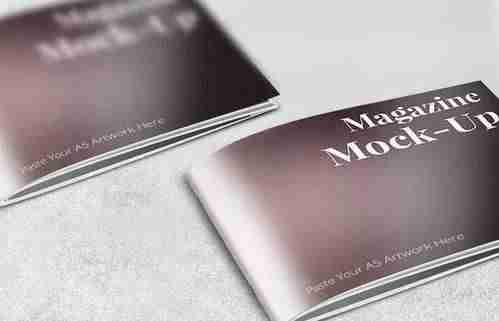
- Types: Glossy lamination and matte lamination.
- Features:
Glossy lamination results in a shiny and vibrant surface, often used for product-oriented prints.
Matte lamination offers a non-reflective, elegant surface, frequently used for branding-oriented prints.
2. Hot Stamping
Hot stamping uses the principle of heat transfer to imprint the aluminum layer of foil onto the surface of the substrate, creating a distinctive metallic effect. The main material used is aluminum foil, so this process is also called aluminum foil stamping.
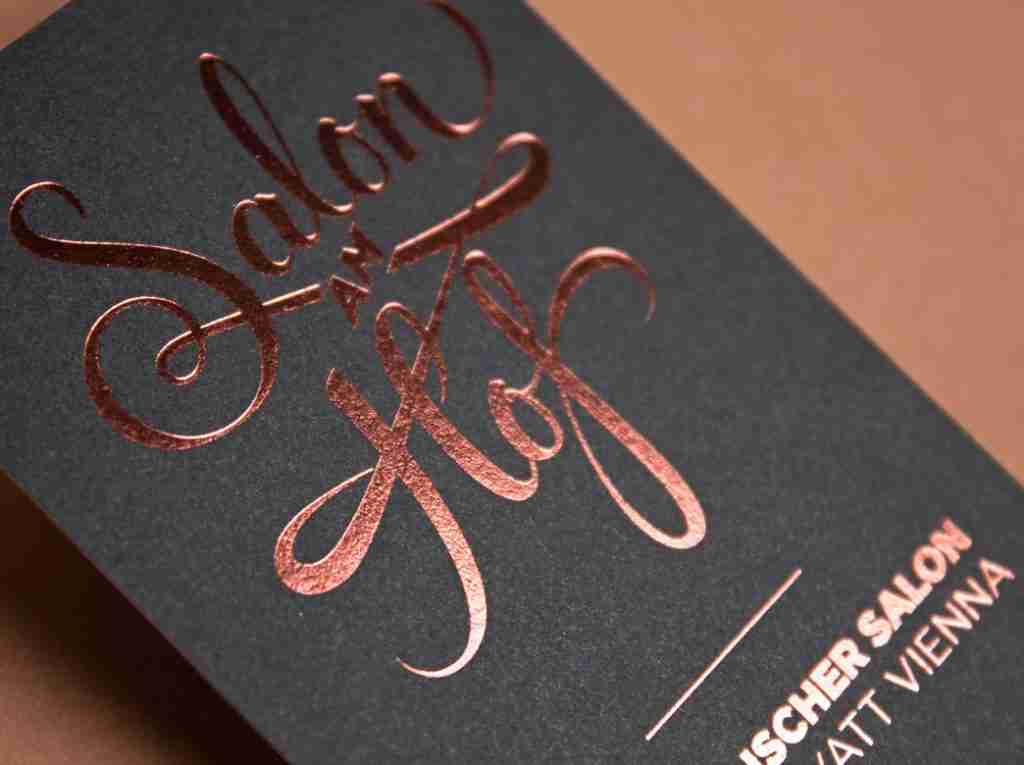
- Features: Produces clear, aesthetically pleasing patterns with bright and vivid colors.
- Applications: Packaging boxes, trademarks for tobacco, alcohol, clothing, book covers, greeting cards, and invitations.
3. Varnishing
This process involves coating, spraying, or printing a layer of transparent, colorless varnish on the surface of printed materials. After leveling, drying, polishing, or curing, it forms a thin, uniform, and glossy transparent layer.
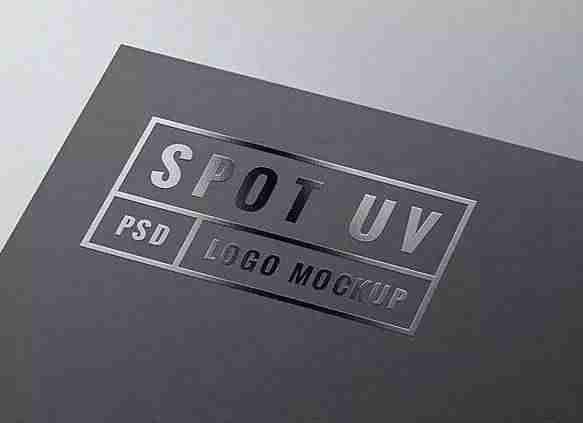
- Features: Enhances surface gloss and brightness, provides waterproof and oil-resistant protection, preserves printed text and images, and does not affect the recyclability of paper.
- Applications: Surface finishing for packaging boxes, books, brochures, posters.
4. Embossing
Embossing is a decorative technique that creates raised or recessed patterns on the surface of printed materials. Using embossing molds, the substrate is deformed under pressure to achieve artistic designs.
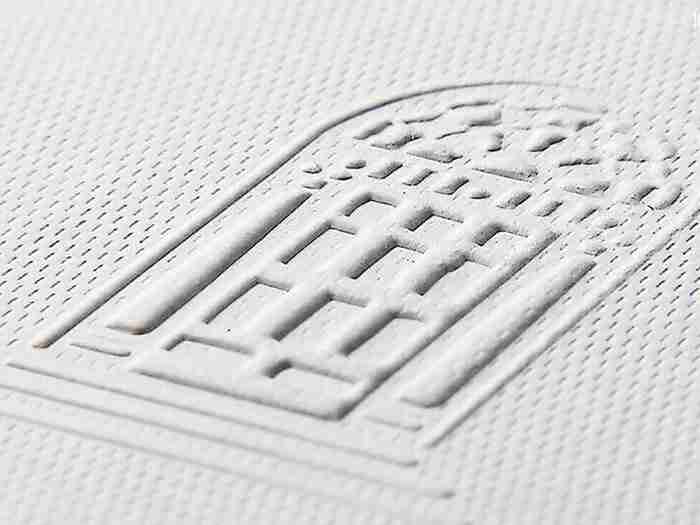
- Types: Standard etched molds and laser-engraved molds.
- Features: The raised patterns provide varying depths and a noticeable relief effect, enhancing the three-dimensional and artistic appeal of printed materials.
5. Die-Cutting and Creasing
This process involves using steel dies and lines arranged in a template to cut printed materials into specific shapes under pressure.
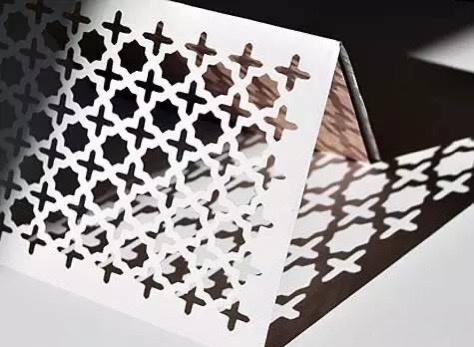
- Types:
Die-cutting: Cutting paper into specific shapes using a die-cutting machine.
Creasing: Pressing steel lines to create folds or grooves for bending paper. - Features: Enables unique shapes and improves visual expressiveness.