
Packaging Box Printing and Plate-Making Process
Plate-making refers to converting digital text and image information into a printing plate that can be used for mass production of printed materials. This process is a critical step in printing production, as its quality directly impacts the final product’s effect.
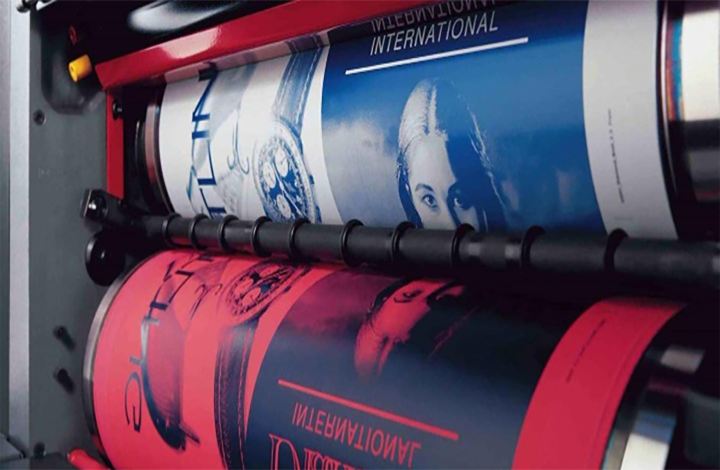
1. Text and Image Processing
Content Design: Use software such as Adobe Illustrator, Photoshop, or InDesign to design or adjust text and images.
Color Separation: Break down colored images into CMYK (cyan, magenta, yellow, and black) for printing. If necessary, process spot colors (e.g., metallic or fluorescent colors).
Proofing: Ensure color accuracy and desired effects through soft proofing (on-screen) or hard proofing (printed output).
For standard color printing, one side typically requires four plates (C, M, Y, K). For double-sided printing, eight plates are needed. If additional spot colors are required, more plates will be used. The number of colors that can be printed depends on the printing machine’s capacity, which may have 5, 6, or even 8 units. A single-color print requires only one plate.
2. Types of Plate-Making
Offset Printing (Lithography): Create aluminum plates for printing. Use lasers to form an image on a photosensitive coating (CTP technology, or Computer-to-Plate).
Relief Printing: Use engraving or laser etching to create raised text and images. Commonly used for packaging and ticket printing.
Gravure Printing: The text and images are recessed, making it suitable for high-quality printing (e.g., currency, magazines).
Screen Printing: Transfer images to the substrate through a mesh screen. This is ideal for printing on special materials.
Digital Printing: Eliminates traditional plate-making, transferring images directly from the computer to the printing device.
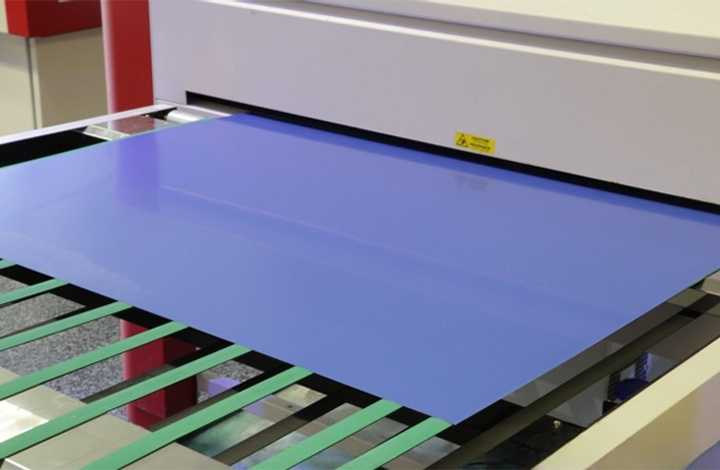
3. Plate-Making Materials
Aluminum plates: used for offset printing.
Plastic or metal plates: used for relief and gravure printing.
Photosensitive Materials: coatings to capture image exposure.
Halftone Dots: adjust image details and gradients using screening technology.
4. Plate-Making Process
Exposure: Use lasers or UV light to transfer digital images onto the printing plate.
Development: Process unexposed areas and remove excess material to form text and images.
Baking and Treatment: Enhance the durability of the plate material.
Mounting: Install the finished plate onto the printing press.
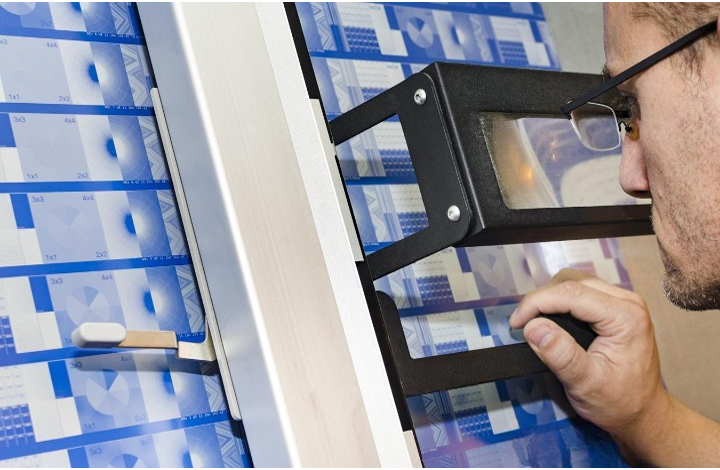
5. Modern Plate-Making Technology
CTP (Computer-to-Plate): Increases efficiency by removing the traditional film process.
Digital Printing Plate-Making: Ideal for small-scale and personalized printing.
Flexographic Plate-Making: Suitable for packaging, using flexible plates.
CTP (Computer-to-Plate) is the mainstream technology in plate-making. CTP is an advanced version of the traditional PS plate. A CTP machine transfers image information directly from the computer to the plate by laser imaging. The image is then developed, restoring the information on the plate for direct use in offset printing. This process reduces the cost of film and plate-making steps and minimizes pollution.
6. Evolution of Computer-to-Plate Technology
The development of CTP plate-making materials has gone through five stages:
First Generation:
Plate → CTP → Preheating → Development → Washing → Pre-baking → Post-baking → Cleaning and coating → Printing.
Second Generation:
Plate → CTP → Development → Washing → Pre-baking → Post-baking → Cleaning and coating → Printing.
Third Generation:
Plate → CTP → Development → Washing and coating → Printing.
Fourth Generation:
Plate → CTP → Coating with release agent → Printing.
Fifth Generation:
Plate → CTP → Printing.