
What is the growth potential of digital printing in the corrugated packaging market?
The corrugated packaging market holds immense potential, and digital printing is poised for significant growth. Collaboration among brands, printing companies, and suppliers is essential to create more market opportunities.
In recent years, digital printing has achieved new breakthroughs in various printing segments, with packaging being the largest opportunity market. Currently, digital printing accounts for approximately 20% of the global market share in label and narrow-format booklet printing. Corrugated printing may well become the next key growth area for digital printing in the packaging market.
According to incomplete estimates, the global corrugated packaging market is currently valued at around $250 billion and is expected to reach $270 billion by 2025. However, digital printing only represents a small fraction of the total printing volume in this segment. Nevertheless, several globally renowned inkjet equipment suppliers have reported capturing a notable share of the corrugated packaging market and plan to further expand their presence. Additionally, many packaging printing companies have indicated they are continuously introducing new digital printing equipment.
Advantages of Applying Digital Printing to Corrugated Packaging
- Efficiency in Short-Run Printing
One of the most well-known advantages of digital printing in the corrugated packaging industry is its efficiency in handling short-run printing tasks. Unlike traditional printing methods, digital printing eliminates the need for plate-making, significantly reducing production time and costs. This allows printing companies to allocate short-run orders to digital printing, freeing up offset printing equipment and space for long-run jobs. Currently, the global corrugated packaging industry faces challenges such as insufficient production capacity, supply chain instability, tight delivery schedules, and sustainability demands. Digital printing provides effective solutions to address all these challenges. - Personalization and Customization
With the advancement of technology, retail landscapes are shifting, and e-commerce continues to influence how consumers shop and how brands promote their products. This shift has created opportunities for digital printing and packaging production. Digital printing offers significant advantages in personalization and customization, including the ability to handle variable data printing. Brands can create unique packaging designs and styles tailored to specific consumer needs, enhancing product appeal and market competitiveness. Additionally, brands can more flexibly launch regional or special edition corrugated packaging to meet the demands of different markets. - Reduced Inventory and Lower Costs
On-demand printing allows brands and printing companies to significantly reduce inventory costs. Businesses can print based on actual needs, avoiding the waste and added costs associated with overproduction. Moreover, digital printing technology enables printing companies to respond quickly to market demands during peak seasons, improving market responsiveness and operational efficiency.
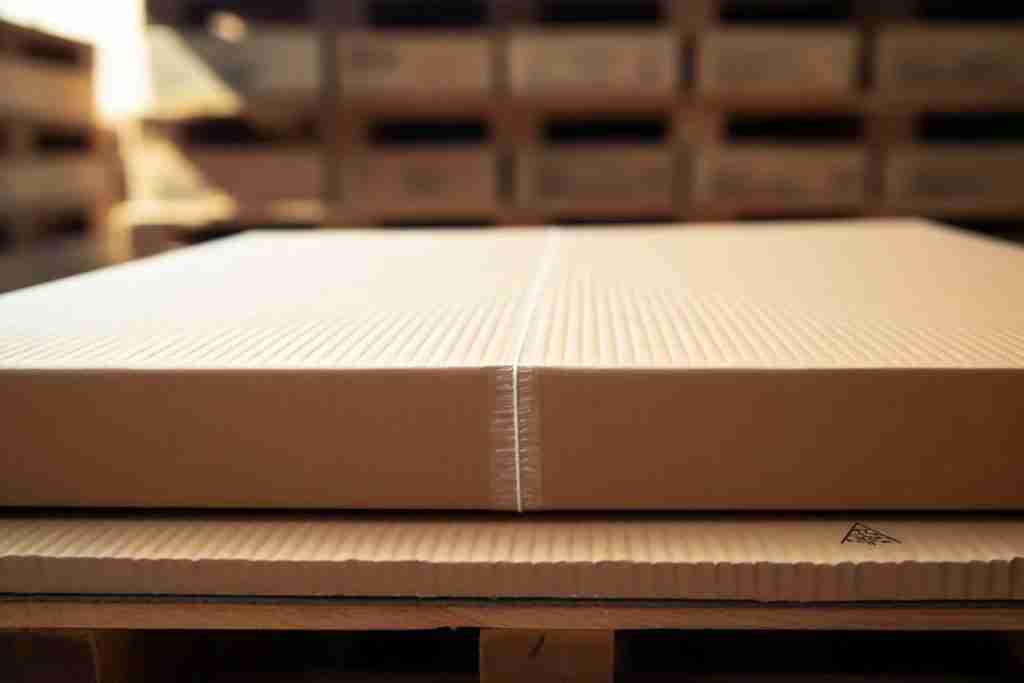
The Development Prospects of Digital Printing in the Corrugated Packaging Market
Overall, the market share of digital printing in the corrugated packaging sector is growing rapidly. Although it currently represents a small portion of the total printing volume, the ongoing advancements in digital printing technology in terms of quality and efficiency indicate significant future growth potential in this field. The applications of digital printing in corrugated packaging are expected to expand further, encompassing not only corrugated boxes but also food trays, large packaging containers, e-commerce solutions, and bulk display stands (POP), among others.
Mike DeAngelo, President of the Independent Packaging Association (AICC) in the United States, has stated that digital printing is becoming the choice of an increasing number of printing companies in the corrugated packaging industry. Both digital printing technology and the market opportunities it presents continue to evolve.
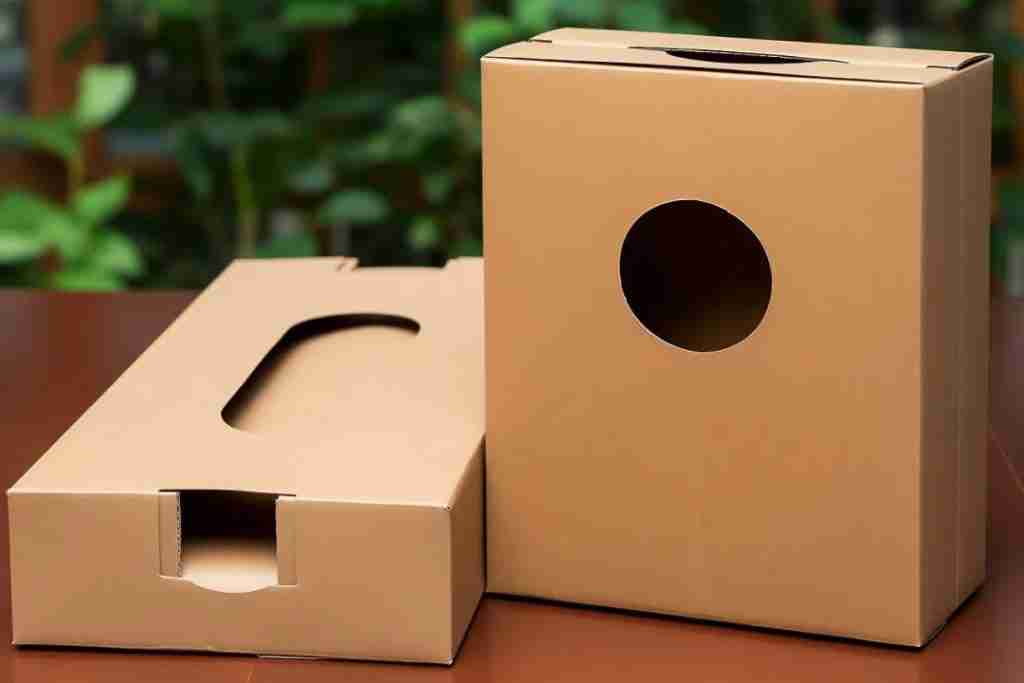
Furthermore, with improvements in the print quality of inkjet and toner printers, digital printing is becoming increasingly cost-competitive for long-run printing, offering more options for packaging printing companies. At the 2024 drupa exhibition, many suppliers unveiled new equipment designed for printing on corrugated boards, folding cartons, flexible packaging, and labels. These include high-speed digital printers for folding carton printing, single-pass inkjet printers for corrugated board, and narrow-format toner and inkjet printers.
Although digital printing packaging accounted for only 1.1% of the global market share in 2024, Smithers predicts that it will grow at a compound annual growth rate (CAGR) of 12.8% over the next five years.
However, opportunities come with challenges. Many suppliers and printing companies have noted that while digital printing technology is advancing rapidly, challenges remain in broader applications. This is partly because many brands have yet to discover effective ways to market and sell digitally printed products. To address this, brands, printing companies, and suppliers must work together to fully unleash the creativity and potential of digital printing technology, thereby creating more market opportunities.