
A Discussion on Modern Packaging in Printing and Packaging Factories
The origins of modern packaging can be traced back to the latter half of the 18th century. However, its true inception and development began in the 20th century. Supported by advancements in modern science and technology, packaging entered a new era of comprehensive growth, gradually evolving into a vast industrial system. Compared with traditional packaging, modern packaging has undergone fundamental changes. During the economic downturn of the 1930s, manufacturers were severely impacted. To boost product sales, they began emphasizing packaging design, enhancing packaging functionality, and increasing the added value of their products.
In the 1950s, self-service stores rapidly replaced traditional grocery stores in the United States, turning packaging into a “silent salesperson.” Packaging design focused on brand recognition, emphasizing trademarks, product names, and the use of colors. Designers pursued modern and fashionable appearances, applying various graphic treatments to photographic images to give products a unique appeal. At the same time, theories such as marketing, consumer psychology, and value engineering emerged to guide the development of packaging.
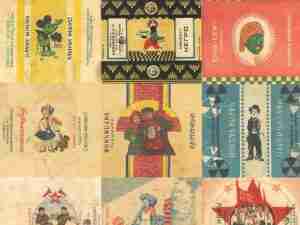
The 1960s saw rapid growth in international trade, which brought about numerous disputes caused by inadequate packaging. This highlighted the need for research into new packaging materials and processes, leading to continuous advancements in packaging technology. By the 1970s, most carbonated beverages were packaged in polyethylene bottles. Squeezable plastic bottles, which first emerged in the 1950s, underwent nearly 30 years of improvements and were widely used for beverages, sauces, ketchup, and other food products. In the 1980s, the concept of recyclable and reusable packaging emerged. Countries began tightening regulations on packaging, and these regulations became increasingly strict and standardized. Designers increasingly recognized the significant role of packaging design in environmental protection. Japan’s “lightweight, compact, and minimal” packaging philosophy gained global influence.
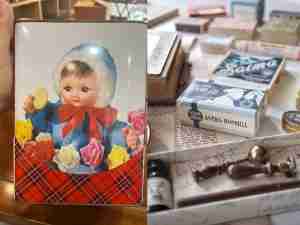
During the 1990s, packaging design placed greater emphasis on corporate image, becoming an integral part of product branding. As companies diversified and standardized their product lines, packaging became a vital tool for emphasizing brand identity and highlighting product advantages. Under the influence of environmental awareness, packaging materials were developed to minimize pollution risks, and packaging design prioritized scientific and rational approaches.
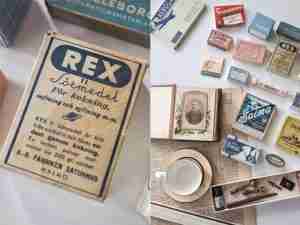
Entering the 21st century, rapid technological advancements integrated packaging design with product marketing, further emphasizing brand identity and personalized designs. With significant progress in packaging printing technologies, innovations in materials and techniques, and more detailed product categorization, technologies such as aseptic packaging, shockproof packaging, anti-theft packaging, protective packaging, combination packaging, and composite packaging have become increasingly sophisticated, greatly enhancing packaging functionality.
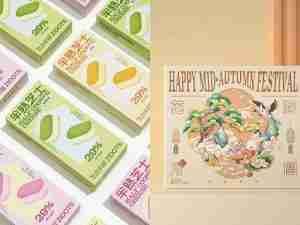
Through years of evolution, the packaging industry has achieved remarkable growth. Packaging design has become more scientific and modernized, forming a unique culture from design to production.