
Introduction to Common Paper Types in the Printing Industry
In the printing industry, paper is one of the key materials that determine print quality and effect. Different types of paper have various characteristics and applications. This article will introduce several common paper types, including coated paper, white cardboard, gold and silver cardboard, specialty paper, and double offset paper.
1. Coated Paper Coated paper is made from pure wood pulp, with a smooth surface and a strong gloss, making it suitable for high-quality four-color printing. It is commonly used for gift box surfaces, brochures, calendars, and other printed materials. The most commonly used weights are 128g, 157g, and 200g, with 157g being the most popular due to its ideal thickness, which ensures the surface of the box is smooth and flat. It is also easy to handle corner folds and edge wrapping, and can be used for hot stamping, foil stamping, and screen printing. For more prominent embossing effects, 200g coated paper is a good option. For double-sided printing, coated paper is often referred to as double-sided coated paper, commonly used for promotional materials, calendars, and other items requiring two-sided printing.
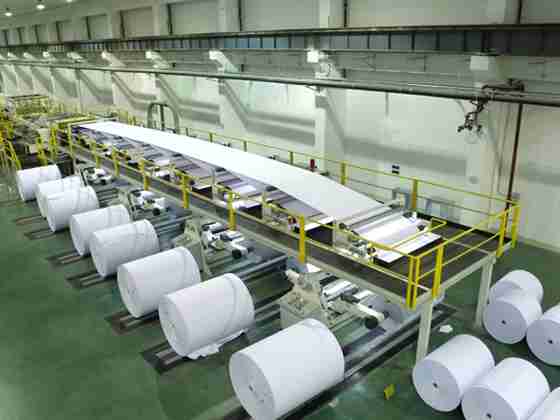
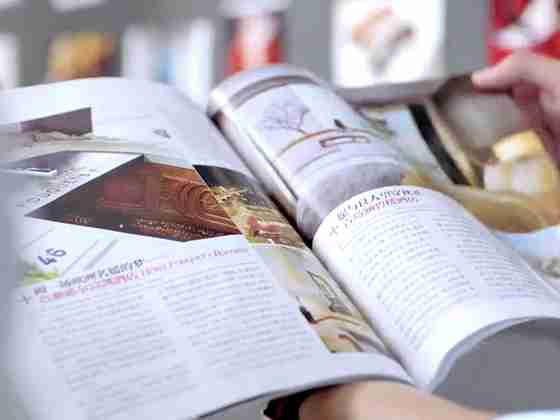
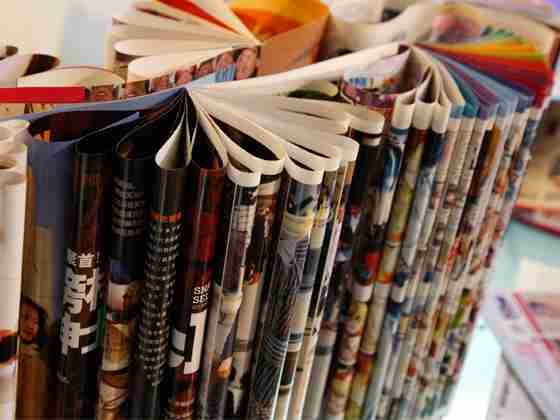
2. White Cardboard White cardboard, made from pure wood pulp, has higher thickness and greater bending elasticity. Due to its thickness, it is generally not used as surface paper, but if an obvious embossing effect is needed, 230g white cardboard can be used. White cardboard is commonly used for printing shopping bags, with common weights being 230g, 250g, and sometimes 300g. However, due to its thickness, it is difficult to fold, and 300g cardboard is typically not used unless specifically requested by the customer. White cardboard is not ideal for lamination, so it is not recommended for complex box packaging due to its poor lamination properties.
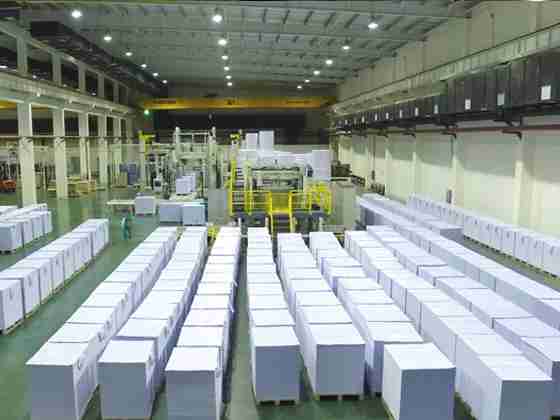


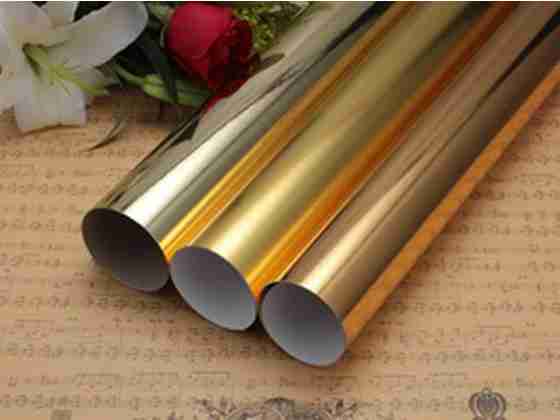
3. Gold and Silver Cardboard Gold and silver cardboard has a metallic gloss, and is usually based on 157g coated paper as the base paper. The printing effect of gold and silver cardboard is more visually striking than regular coated paper, offering a metallic feel. It can be printed with four colors, hot stamped, foil stamped, or screen printed. Due to its metallic finish and strong gloss, gold and silver cardboard is ideal for high-end gift boxes and shopping bags. If thicker base paper (like 250g or 300g white cardboard) is used, it is typically applied to shopping bags or folding boxes. Laser paper, a type of gold and silver cardboard, offers various effects, such as matte or holographic patterns, and is often used for high-end gift packaging.

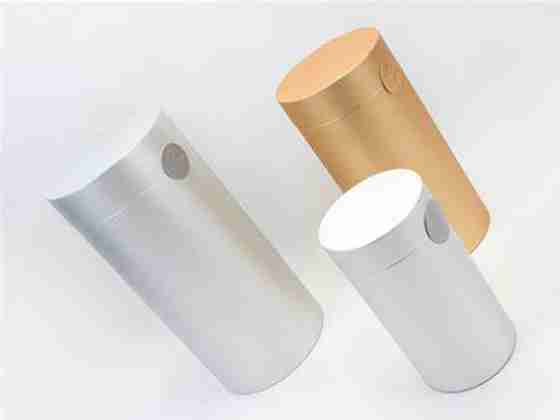
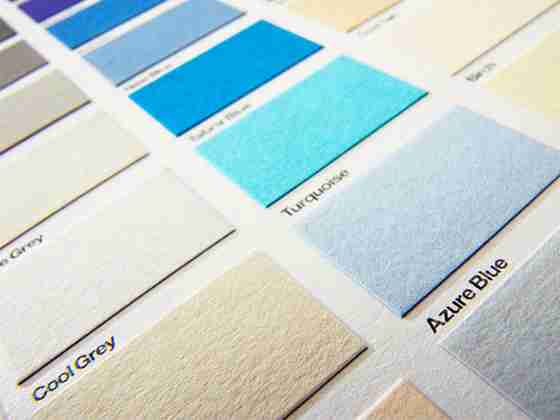
4. Specialty Paper Specialty paper is commonly used for high-end gift boxes and packaging, with common weights ranging from 110g to 120g. Due to its surface treatment, specialty paper has a unique print effect, but it is not ideal for large-area ink printing. The color printed on specialty paper may appear grayish and less vibrant compared to coated paper. Specialty paper is more sensitive to moisture in the air and is prone to curling or “leaf edge” issues, resulting in higher print waste rates compared to coated paper (30–50 sheets per print run). Additionally, specialty paper generally has poor tensile strength and high brittleness, making it unsuitable for lamination. After applying glue, it can easily result in corner breaks or damage when laminated with MDF.
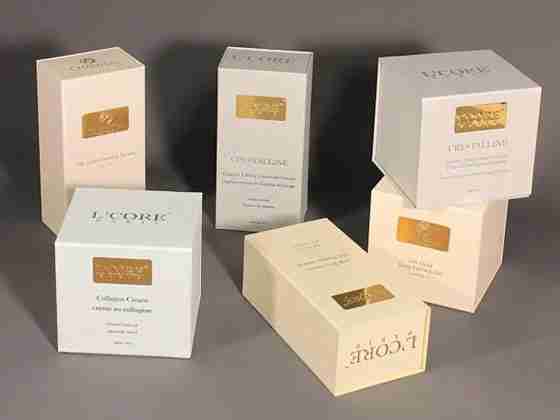

5. Double Offset Paper Double offset paper is mainly used for printing books, magazines, and journals. It is also commonly used for the inner lining of rigid boxes with a flip-top design. The typical weight ranges from 80g to 120g, with 100g being the most commonly used. Double offset paper offers a good printing effect, especially for text-heavy prints, making it ideal for books and internal linings of boxes.
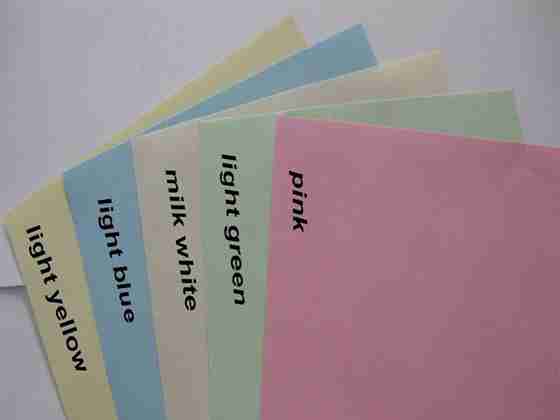
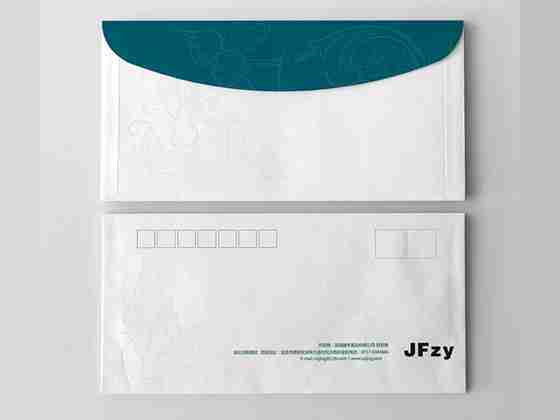
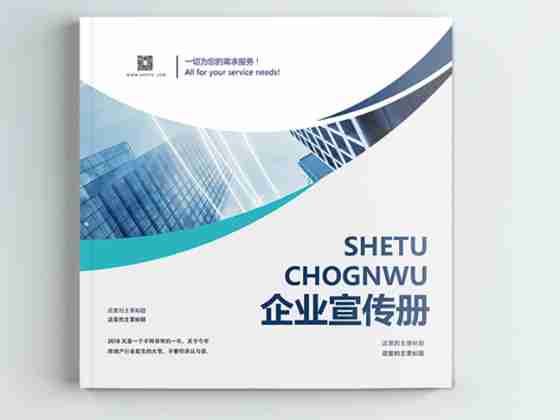
Summary Different types of paper have their own advantages and specific uses in the printing industry. From the glossy coated paper to the metallic finish of gold and silver cardboard, to the high-end specialty paper and practical double offset paper, there is a wide range of paper types for different printing needs. Understanding these paper characteristics helps in selecting the appropriate paper type, ensuring excellent print results and product quality.