
Product Packaging – Four Common Printing Technology
Common printing technology include: offset printing, gravure printing, screen printing, and relief printing. These methods are suitable for printing on different materials and products.Generally, printing is defined in a broad sense, encompassing the entire process of plate making, printing plate, and the printing process itself.
Plate Making: Refers to the process of copying the original manuscript to create a printing plate.
Printing: Refers to transferring the image and text from the printing plate to the surface of the substrate.
Post-Processing: Refers to the subsequent processing of the printed product according to requirements.
1. Offset Printing
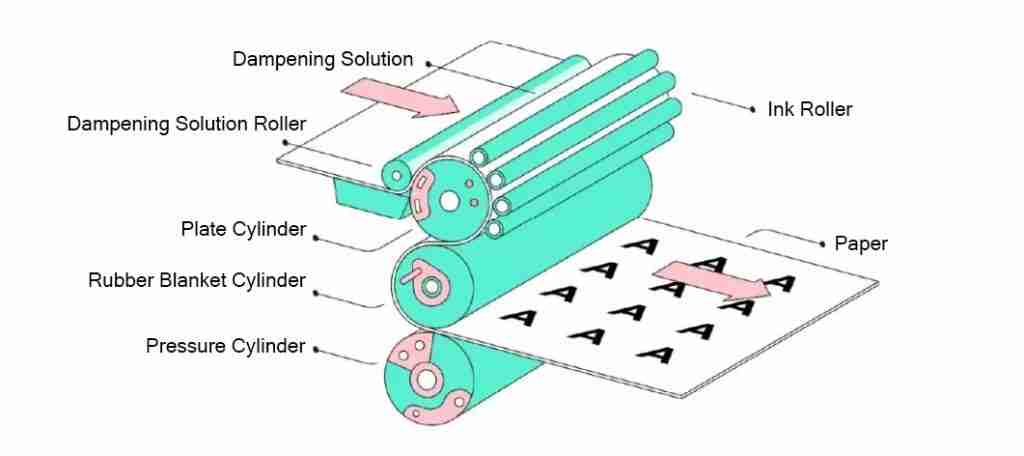
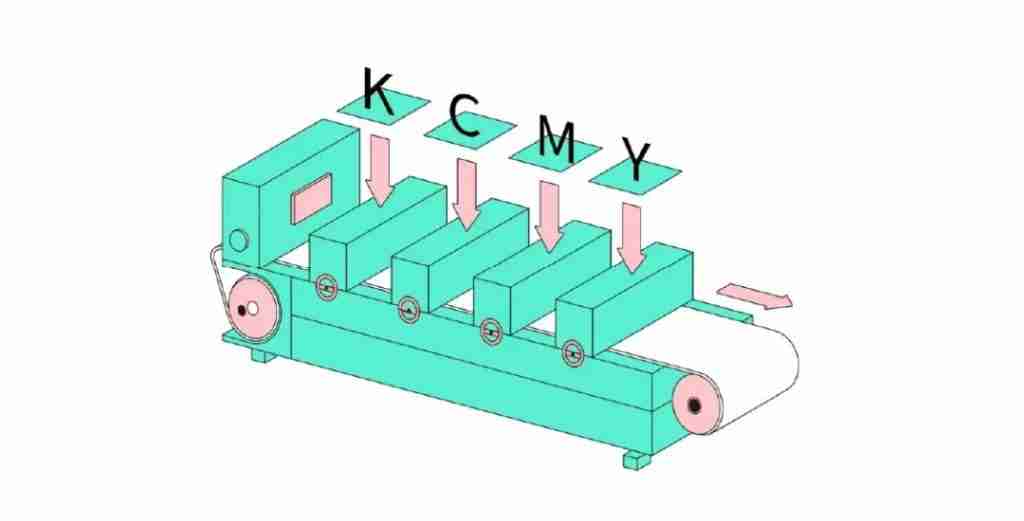
The cylinder-shaped printing paper is fast and can handle large quantities, making it commonly used for printing newspapers and magazines.
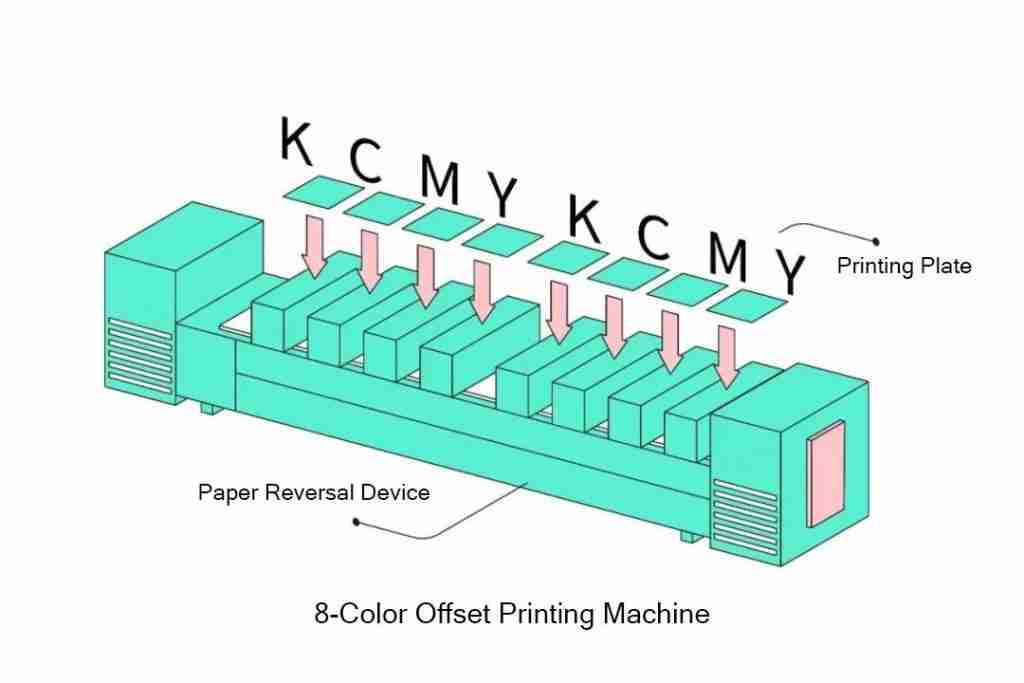
The characteristic of offset printing is that the inked areas (printing areas) and non-inked areas are on the same flat plane. The ink is transferred to a rubber blanket cylinder, which then prints onto the paper via a pressure cylinder. Since the printing plate does not directly touch the paper, the ink does not smudge, making it ideal for high-quality printing. Additionally, aluminum metal plates are easy to prepare.
Suitable Products:
Black and white and color books, packaging boxes, color magazines, posters, high-quality stationery, calendars, newspapers, and multi-color printed materials.
2. Gravure Printing
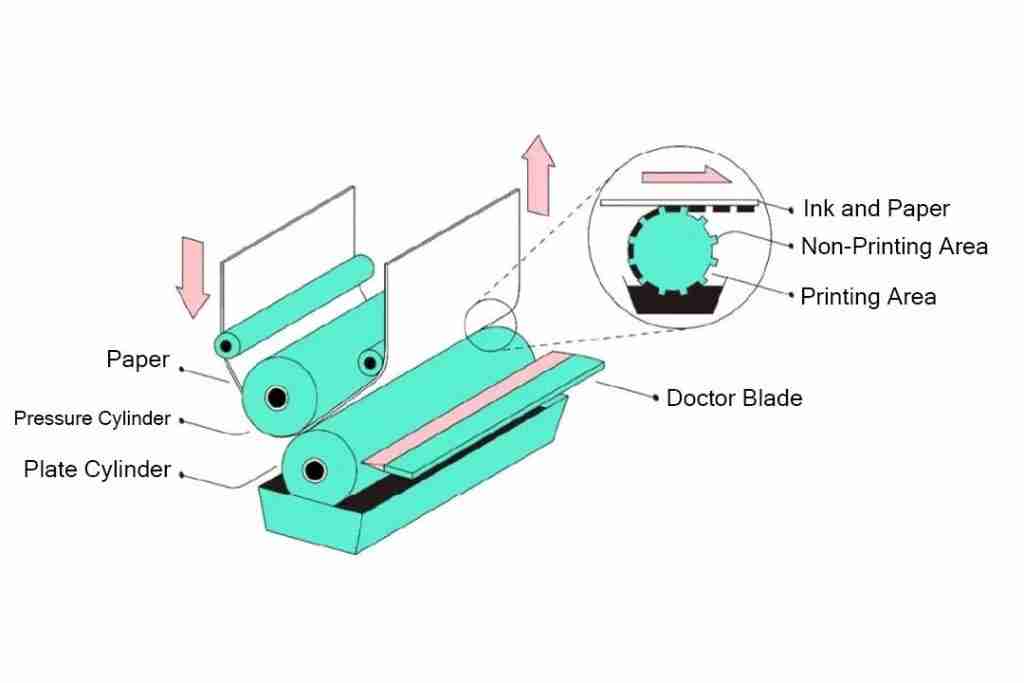
Gravure printing is a method where ink is filled into the recessed areas of the printing plate. It is capable of presenting fine gradations, making it ideal for printing photographs. Additionally, the ink dries quickly after printing, making it suitable for printing large quantities of color magazines.
Suitable Products:
Engraved Gravure: Printing of valuable securities, banknotes, such as stocks, checks, gift certificates, oil tickets, stamps, various certificates, and awards.
Photographic Gravure: Mass-produced color magazines, plastic films, OPP packaging materials, etc.
3. Screen Printing
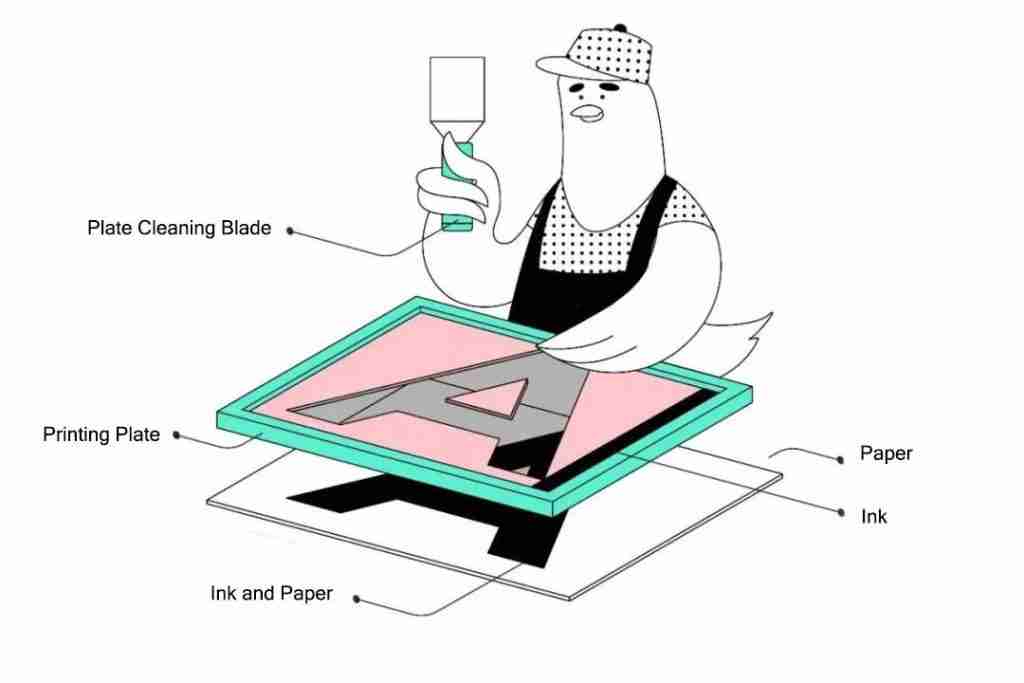
Screen printing is a method where the printing areas of the plate are cut out, allowing ink to pass through the mesh and transfer the image onto the substrate. Screen printing is often used for printing on materials like glass, metal, plastic, or curved surfaces such as bottles and cans, as well as for special printing effects like raised textures.
Suitable Products:
Flat and curved hard and soft printed objects, including plastic surfaces, large outdoor posters, printed circuit boards, spot UV coating, transfer paper, fabric, etc.
4. Relief Printing
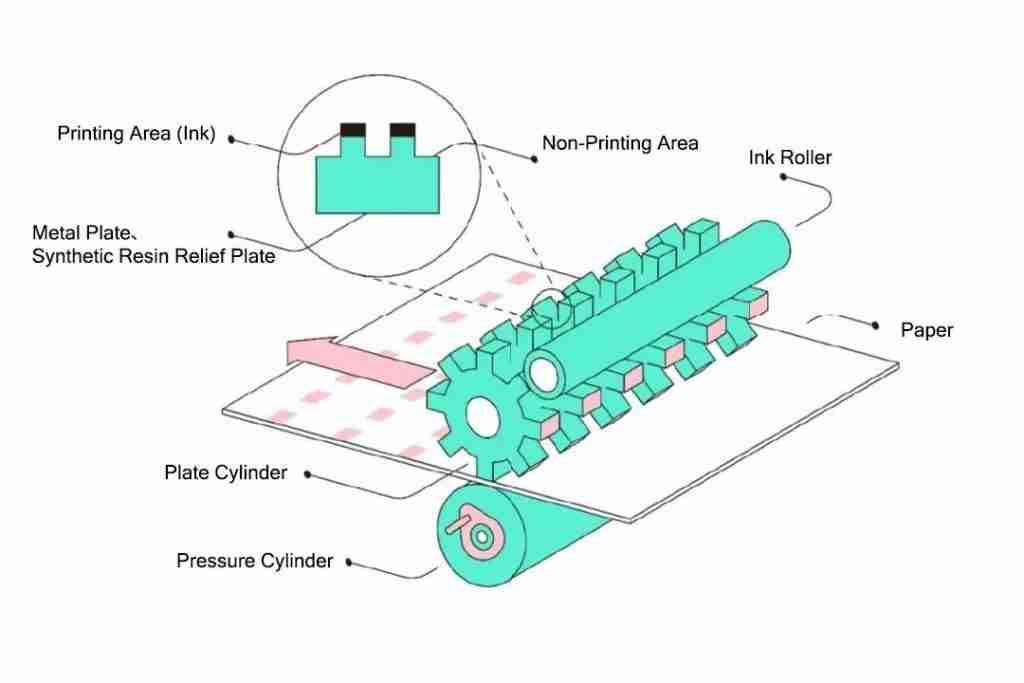
Relief printing uses raised printing areas to pick up ink, which is then directly transferred onto the paper under pressure. Since the printing plate comes into direct contact with the paper, it can leave impressions or thicker ink edges. This method is often used for coarse paper applications such as comic magazines.
Suitable Products:
Envelopes, paper bags, self-adhesive labels, numbered text, simple illustrations, and plastic films.